Chronic pelvic pain, defined as pain lasting six months or more, affects 15% of women in America. Many issues can cause this pain. But, did you know that a vascular problem could be one of them?
Pelvic congestion syndrome (PCS) is a condition that causes chronic pelvic pain due to problems with your veins in your lower abdomen. Veins carry blood from all areas of your body back to the heart. However, in some women, the veins in the lower abdomen have weakened, making their veins inefficient at moving the blood back up to their heart. This allows blood to build up or pool, causing pressure and bulging veins resulting in varicose veins in the pelvis.
Some sub-types of pelvic congestion syndrome include ovarian vein reflux, nutcracker syndrome and May-Thurner syndrome.
Who is at risk for pelvic congestion syndrome?
PCS mostly effects women of childbearing age. It is also common in women who have had two or more pregnancies and those who have a family history of venous disease.
What are the symptoms of pelvic congestion syndrome?
The main symptom of pelvic congestion syndrome is pelvic pain that lasts at least six months. Often, the pain starts during or after a pregnancy. Many women describe the pain as a severe, dull ache that worsens around the time of their menstrual period. Others describe the pain as heavy or sharp.
Other symptoms include:
- Pain before or during a heavy menstrual flow.
- Frequent urge to urinate.
- Varicose veins on the external genitals, thighs and/or hemorrhoids.
Activities that can worsen the pain include:
- Changing your posture.
- Having sexual intercourse (pain can occur both during and after).
- Standing or sitting for long periods of time.
- Traveling on long automobile trips or flights.
- Walking.
How is pelvic congestion syndrome diagnosed?
Pelvic pain is not easy to diagnose. Your primary care provider (PCP) or gynecologist will need to consider the many possible causes of pelvic pain, including problems with your reproductive, urinary or gastrointestinal systems. To diagnose, your doctor will typically obtain a complete medical history, perform an abdominal and pelvic exam, Pap smear and order blood work.
After ruling out other pelvic problems, a vascular expert like the ones at Jobst Vascular Institute may be consulted. This specialist may recommend additional testing such as:
- Ultrasound: A Doppler ultrasound to check the blood flow in the pelvic blood vessels.
- Computed tomography (CT) or magnetic resonance imaging (MRI): Imaging that provides more detailed pictures of your pelvic veins.
What are the next steps?
Once you have been diagnosed with PCS, know that today more treatments than ever are available. Your gynecologist may prescribe hormone medications to relieve pain. Your gynecologist may also recommend that you talk with a Jobst vascular surgeon for additional treatment options. Most of these treatments are minimally invasive and can be performed in an outpatient setting.
To learn more about treatment options, call Jobst Vascular Institute Vein Care at 877-551-VEIN (419-291-2090).
Featured Locations

Flower Hospital
Surgery Center
Discover what ProMedica Flower Hospital Surgery Center has to offer.

Toledo Hospital Surgery Center
Discover what ProMedica Toledo Hospital Surgery Center has to offer.

ProMedica Physicians Jobst Vascular - Adrian
Click here to learn about the services we offer. Get driving directions, contact information, operating hours and more.
ProMedica Physicians Jobst Vascular - Fremont
Click here to learn about the services we offer. Get driving directions, contact information, operating hours and more.
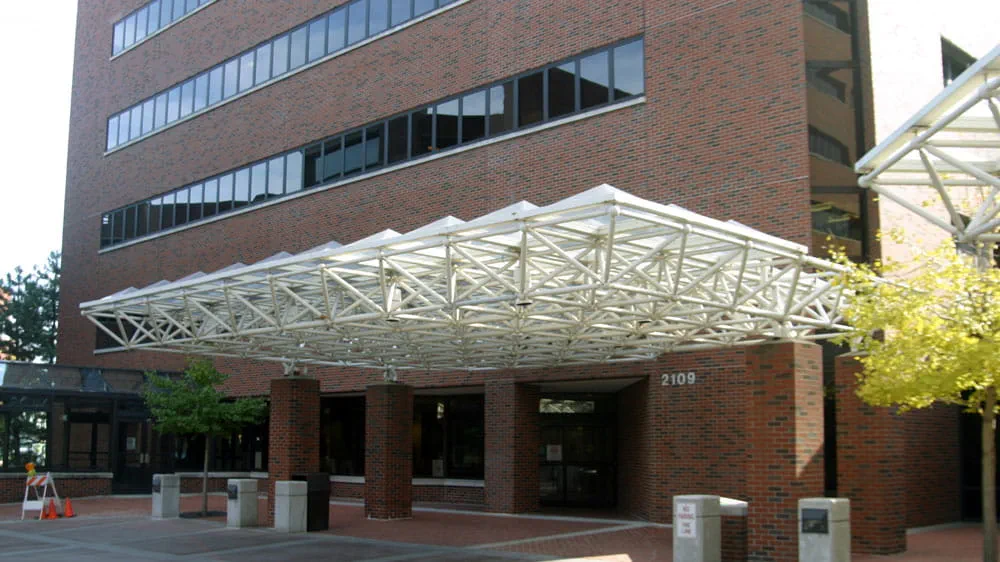
ProMedica Physicians Jobst Vascular - Toledo
Click here to learn about the services we offer. Get driving directions, contact information, operating hours and more.
ProMedica Physicians Jobst Vascular - Wauseon
Click here to learn about the services we offer. Get driving directions, contact information, operating hours and more.
ProMedica Physicians Jobst Vascular - Perrysburg
Click here to learn about the services we offer. Get driving directions, contact information, operating hours and more.
Related Services & Conditions
Vascular Care
Jobst Vascular Institute brings you world-class care close to home. We offer a innovative and personal approach to testing, medical treatment and surgery.
Pelvic Health
Your pelvic region includes your bladder, rectum and reproductive organs. When something is wrong, it causes pain and incontinence. We're here to help.