Stroke Care at ProMedica
Whether it’s prevention and awareness, a life-saving timely diagnosis, or rehabilitation after a stroke event; we’ve got you covered. ProMedica provides a wide range of stroke care options at hospitals and outpatient clinics throughout northwest Ohio and southeast Michigan.
If you’re worried about having a stroke, we’ll work with you to help control cerebrovascular disease and stroke risk factors to try to prevent a stroke from ever happening. However, if you or a loved one do experience a stroke event, our stroke team can quickly diagnose a wide variety of cerebrovascular diseases.
Proper rehabilitation after a stroke is imperative so that you or your loved one can return to daily activities. We provide individualized physical, occupational and speech therapy to help you regain the skills and strength you need to get back to doing life — and doing what you love.
Here are some of the ways we work to provide the best possible care.
Better Stroke Outcomes
In addition to earning several awards from the Get With The Guidelines® stroke initiative, ProMedica Toledo Hospital was one of 76 hospitals out of 4,791 hospitals in the country with better than national average rates of 30 days mortality after stroke for Medicare patients.
Voter’s Choice Stroke Hero Award Recipient
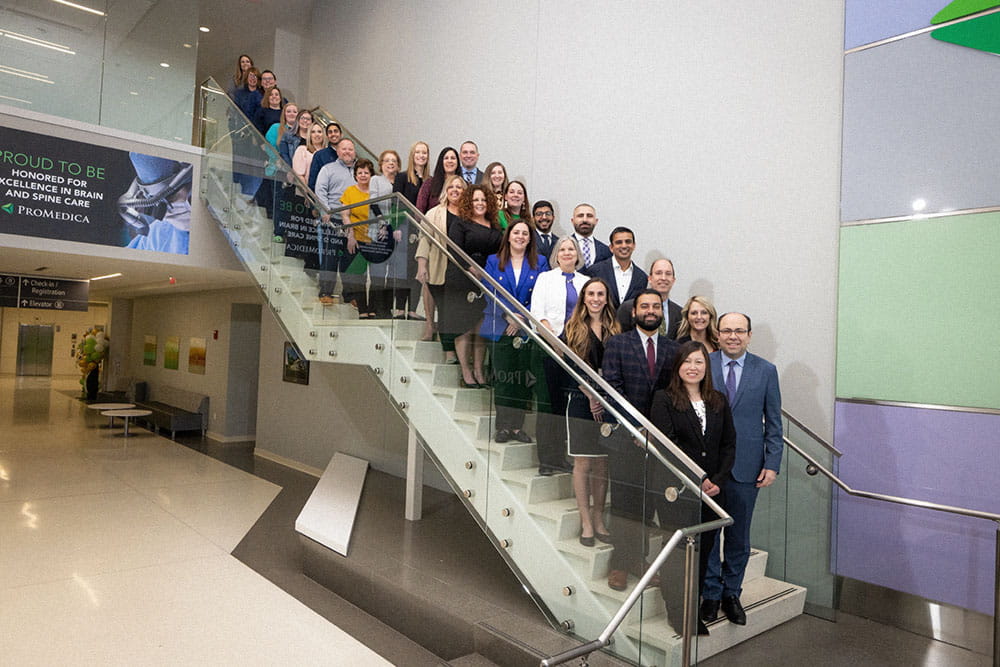
ProMedica Toledo Hospital Stroke Team is honored and proud to receive the 2023 Voters' Choice Stroke Hero Award from the National American Heart Association. This award recognizes everyday people who use their experience or expertise to help others. The recognition is a great testament to the team’s work and commitment to positively impact stroke care for years to come.
Advanced Imaging for Stroke Diagnosis
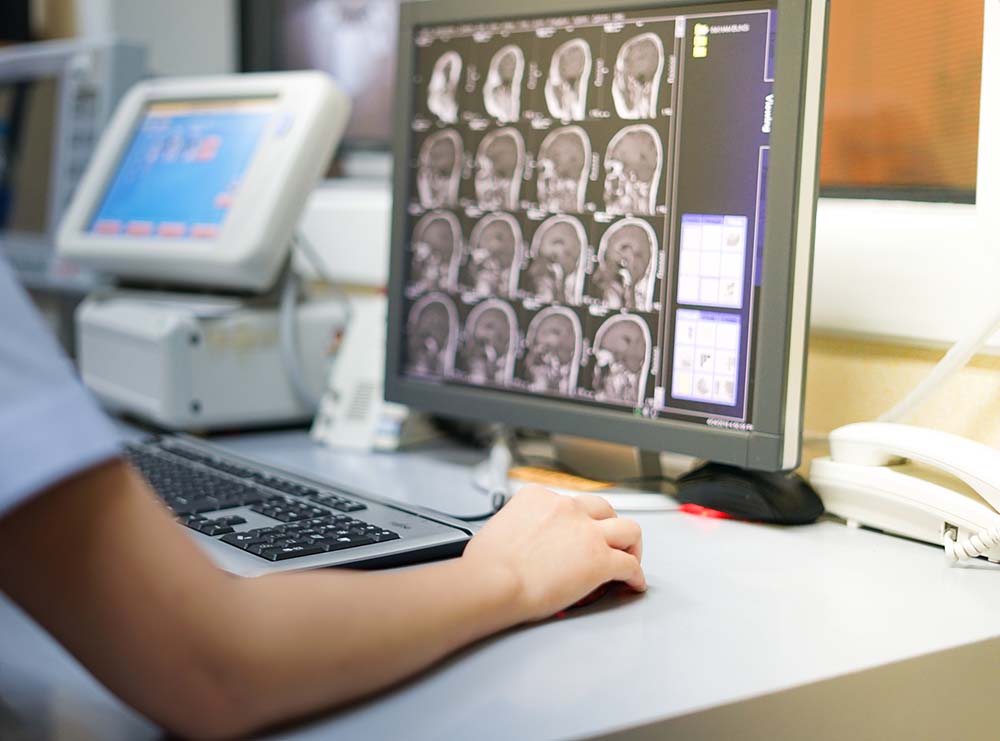
ProMedica's RAPID imaging platform allows stroke teams to make faster, more accurate diagnostic and treatment decisions for stroke patients. That means better stroke care outcomes.
In fact, outcomes from clinical trials using the RAPID platform have led to new American Heart Association and American Stroke Association treatment guidelines and have dramatically altered the management of acute stroke around the world.
State-of-the-Art Patient Suites
Our dedicated space at Toledo Hospital makes it easier to treat stroke patients. Our 48-bed stroke and 16-bed neuro intensive care units featuring a new neuro-interventional lab, 24-hour MRI service and portable CT scanner. Our stroke patients and families have access to private updated rooms with nursing staff specifically trained in caring for people with complex neurologic conditions.
The hospital’s new, expanded interventional suites mean that our highly trained neurointerventionalists can now complete technically difficult procedures in a state-of-the art angiography suite. This suite is specifically designed to reduce radiation exposure, with half the added advantage of a 3D navigation system to provide more precise imaging.
A Network of Care
Strokes need specialized attention right away. That’s why we created our stroke network to diagnose, treat and rehabilitate you right here in northwest Ohio and southeast Michigan.
The ProMedica Stroke Network supports 10 ProMedica hospitals and 14 regional hospitals across Ohio and Michigan. Teams of nationally recognized physicians, specialists, other health care professionals and support teams collaborate across the 24 hospitals to provide you with safe, family-centered, compassionate care.
They specialize in the latest technologies, surgical procedures and research to help you get the best care possible. The team utilizes the tele-stroke network, meaning that no matter where you are, you’ll have access to the care and expertise that you need.
Through this program, you’ll have access to specialty clinics and care at ProMedica Toledo Hospital, including outpatient care and treatments from the Neurosciences Center, expertise from the area’s first Comprehensive Stroke Center certified by The Joint Commission, American Heart Association and American Stroke Association, research programs and clinical trials, and specialized care from the Stroke and Brain Aneurysm Clinic and vascular neurology team.
This means brain-saving care to more areas of northwest Ohio and southeast Michigan than ever before.
Rapid Ischemic Stroke Treatment at Toledo Hospital
For patients who experience an ischemic stroke, it is crucial to break up the clot that is blocking the flow of blood to the brain as soon as possible. The gold standard treatment is to provide clot-busting medicine via an IV within the first three hours following the onset of symptoms. All patients are evaluated by emergency department staff and a dedicated neurointensive care unit "stroke nurse." Most stroke patients are also seen by neurology residents since Toledo Hospital became the main training site for UT-COMLS students and trainees in 2017.
Neurosciences Outcomes
When faced with a neurological condition, patients want access to high-quality outpatient care close to home. That’s why ProMedica and the University of Toledo College of Medicine and Life Sciences have teamed up to bring world-class neurosciences care to patients and their families. We are proud to share the continued progress and milestones achieved at the ProMedica Neurosciences Institute. Our unwavering commitment to providing world-class care, advancing research, and fostering innovation is stronger than ever. Over the course of last year, we have witnessed the power of collaboration, cutting-edge research, transformative technology, and a strong educational framework coming together to shape the future of neurosciences in our region.
Understanding Stroke
Stroke, also known as a brain attack, is the fifth leading cause of death and a leading cause of disability in the United States. They can happen to anyone at any time. It happens when blood can no longer reach the brain, which can cause brain cells to die.
When it comes to stroke care, every second counts. The faster you can get medical attention, the better your chances of lowering the long-term effects or preventing death.
That's why it's important to understand the signs of a stroke. Remember the signs of a stroke with the acronym BE FAST:

Call 911 right away if you spot any of the BE FAST symptoms. Also, try to remember what time the symptoms started. It's critical to seek medical attention right away.
Other warning signs may include clumsiness, sudden confusion and sudden severe headache.
80% of strokes are preventable. Be aware of the signs and risk factors so you can take action to prevent a stroke from happening, and act quickly if you notice any warning signs.
Types of Stroke
Strokes can have many different effects on the brain. They can also have many different causes. There are three types of strokes.
Hemorrhagic Stroke
Hemorrhagic strokes occur when a vessel supplying blood to your brain ruptures and causes bleeding. When an artery bleeds into your brain, oxygen and necessary nutrients can't reach your brain cells. Brain damage can happen because of the pressure in tissues that surround the brain. About 13% of all strokes are hemorrhagic strokes.
There are two types of hemorrhagic strokes:
- Intracerebral Hemorrhages happen when there is bleeding from the blood vessels within your brain.
- Subarachnoid Hemorrhages (SAH), also known as a brain aneurysm, happen when there is bleeding in between the brain and the membranes that cover the brain. Besides the common risk factors for a stroke, unique risk factors for a subarachnoid hemorrhage include cerebral aneurysm.
Ischemic Stroke
An ischemic stroke happens when a blood vessel that supplies blood to your brain becomes blocked or clogged. When blood flow is lowered, oxygen and needed nutrients can't get to your brain. Brain cells and tissues begin to die within minutes. About 87% of all strokes are ischemic strokes.
There are two main types of ischemic strokes:
- Thrombotic Strokes are caused by a blood clot (thrombus) formed in the arteries that supply blood to your brain. When a thrombotic stroke occurs in the tiny, deep blood vessels in the brain, it's called a lacunar stroke.
- Embolic Strokes start when plaque builds up or a blood clot forms in a vessel outside of your head. An embolic stroke happens when this clot travels through your bloodstream and reaches the blood vessels in your brain.
Transient Ischemic Attacks (TIAs)
Transient ischemic attacks (TIAs) are sometimes referred to as warning strokes or mini strokes. With a TIA, an artery is briefly blocked and blood can't reach a part of your brain. TIA symptoms vary based on the part of the brain that's affected. Unlike a stroke, TIAs don't cause permanent brain damage. TIA symptoms last less than 24 hours, and often less than one hour. About a third of people who have a TIA will likely suffer a stroke in the next 12 months.
Clinical Trials
Some ProMedica patients may be able to take part in stroke-related clinical trials. These are research studies that test how safe and effective certain medicines, treatments or medical devices are by seeing how they work in different groups of people.
While there’s no guarantee that you will personally benefit, taking part in a clinical trial may offer:
- Access to new treatments. You may be able to try promising therapies that are not yet available to the public.
- Extra care and monitoring. Research teams often provide close attention, advice, and support. They are highly knowledgeable about stroke care.
- Help to others. Even if a trial doesn’t directly benefit you, the information gathered can improve future treatments and care for others.
- Active involvement in your care. You can take an active role in your health and learn more about your condition.
Current Stroke Studies
We are currently enrolling patients with both ischemic (caused by a clot) and hemorrhagic (caused by bleeding) strokes. Current areas of research include:
- New catheter devices for clot removal and aneurysm treatment.
- Medications that may slow or stop bleeding in hemorrhagic stroke.
- New and improved clot-busting medications for ischemic stroke, including expanded uses of current treatments and drugs to prevent future strokes.
Study Team Contacts
Melanie Pakulski, RN, Clinical research coordinator, Melanie.Pakulski@ProMedica.org, 419-291-3306
Kathryn Scalzo, RN, Clinical research coordinator, Kathryn.Scalzo@ProMedica.org, 419-291-4086
Jennifer Dura, RN, Clinical research coordinator, Jennifer.Dura@ProMedica.org, 419-291-4068
Featured Locations

Clyde
ProMedica Total Rehab
ProMedica Total Rehab in Clyde, Ohio offers physical, speech and occupational therapy, as well as lymphedema care and much more.
Gibsonburg
ProMedica Total Rehab
ProMedica Total Rehab in Gibsonburg Ohio provides physical and occupational therapy, as well as lymphedema and stroke care and more.
ProMedica Total Rehab Temperance
Welcome to ProMedica Total Rehab Temperance, Michigan. Get driving directions, hours of operation, learn about treatment and therapies and more.
Northwest Ohio Hemophilia Center
Welcome to Northwest Ohio Hemophilia Center Toledo, Ohio. Get driving directions, hours of operation, learn about treatment and therapies and more.

Adrian
ProMedica Total Rehab
Learn more about ProMedica Total Rehab in Adrian, Michigan - we offer physical therapy, occupational and speech therapy and more.
Defiance
ProMedica Total Rehab
ProMedica Total Rehab in Defiance, Ohio offers aquatic, physical, occupational and speech therapy, and much more.
ProMedica Total Rehab Monroe Telegraph Road
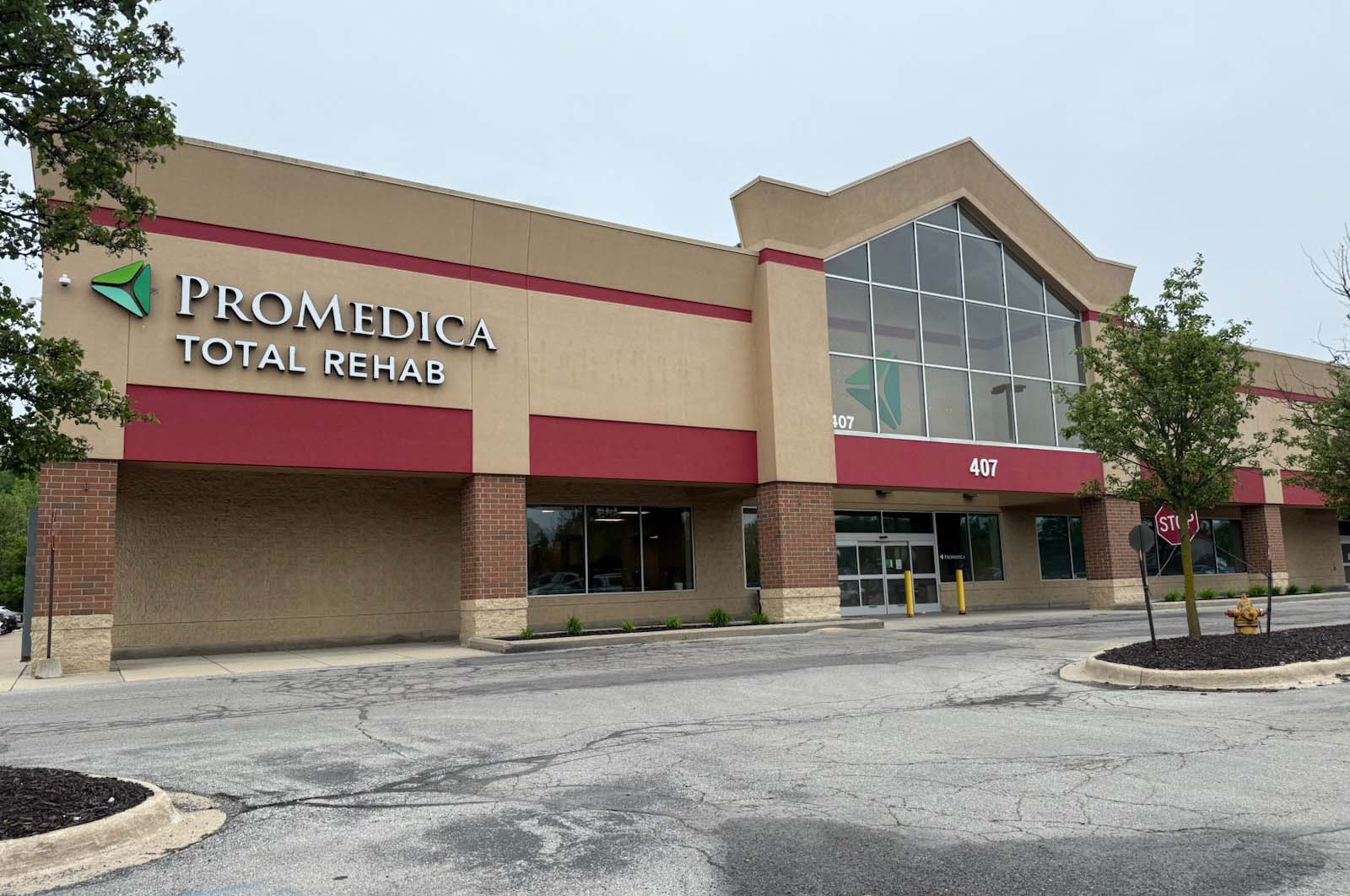
Experience tailored rehabilitation at ProMedica Total Rehab in Monroe, Michigan. Our expert therapists collaborate with you for optimal recovery without needing a referral.
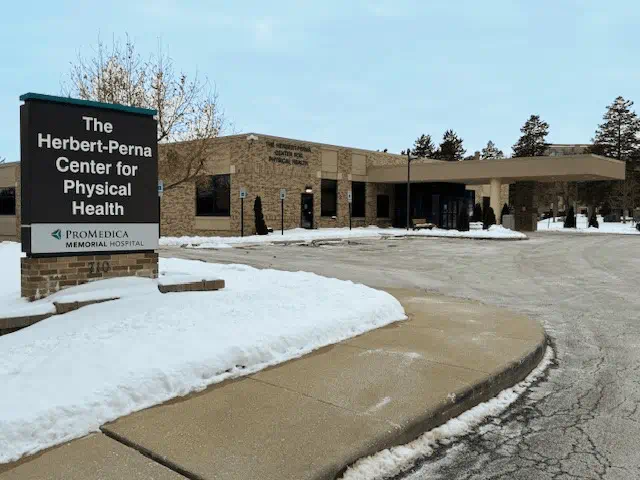
Fremont
ProMedica Total Rehab
ProMedica Total Rehab in Fremont, Ohio offers comprehensive therapy services, including aquatics, physical, occupational and speech therapies.
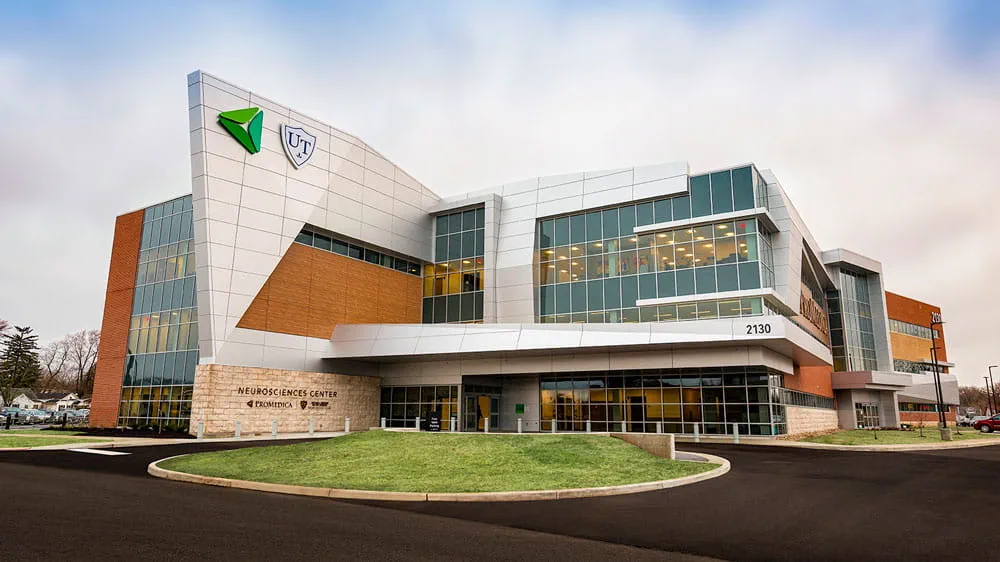
Neurosciences Center
Welcome to Neurosciences Center Toledo, Ohio. Get driving directions, hours of operation, learn about treatment and therapies and more.
Related Services & Conditions
Neurosciences
Our award-winning ProMedica Neurosciences Institute team combines academics, research, prevention, screening and treatment to give you access to leading-edge care.
Neurologic Rehabilitation
We create personalized care plans to address the physical, emotional and psychological needs of those recovering from injuries of the central nervous system.
Brain Aneurysms
With a specialty brain aneurysm clinic that provides a range of testing, treatment options and follow-up care, we're positioned to help you when you need us most.