Empowering You with Hope and Healing
A diagnosis of brain cancer can be challenging to accept. It may be a scary time for you and your loved ones as you face the days ahead.
You aren't alone. The cancer care experts at ProMedica are here to help provide the strength you and your family need for the challenges ahead. We use the latest technology to diagnose and treat a wide variety of brain cancers.
At ProMedica, you'll find expertise that gives you the energy and courage for the best possible outcomes.
Our Approach
At ProMedica, we work together to provide a personalized treatment plan for each brain tumor patient. Our cancer care team includes highly specialized neurosurgeons, medical oncologists, radiation oncologists, pathologists, radiologists and nurses.
From diagnosis to treatment and follow-up care, you get complete care through every step of your healing journey. You’ll feel secure in the combined, expert care of ProMedica Neurosciences Institute and ProMedica Cancer Institute. They connect you to the latest neurosurgery technologies, treatments, resources and experts.
Access to BrightMatter™ Technology
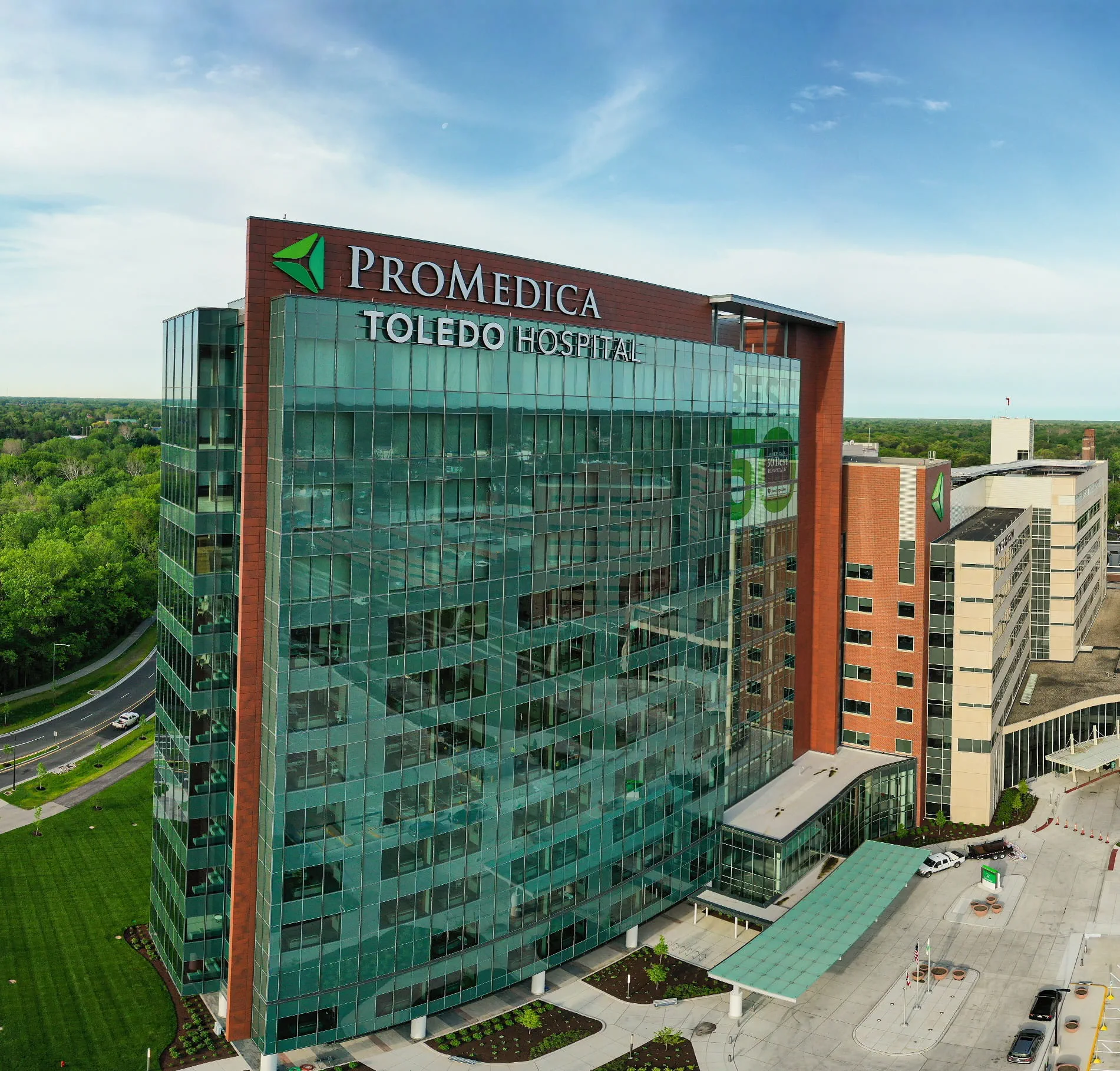
ProMedica Toledo Hospital is home to Ohio’s first BrightMatter™ technology. This innovative solution combines advanced imaging, planning, navigation and robotics to assist surgeons with complex brain and spine surgeries.
BrightMatter provides our team with the latest advancements in visualization tools. We can perform minimally invasive brain procedures with shorter surgery times and better results.
Using advanced MRI brain imaging called diffusion tensor imaging (DTI), we create a highly detailed map of your brain’s white matter pathways. This allows your surgeon to see details of your brain that can't be seen by the naked eye. It also allows access to locations of your brain that couldn’t have been operated on in the past.
Care Coordination and Nurse Navigators
We know cancer treatment can feel overwhelming. We want you to focus on getting better, not trying to keep tests, treatment and doctors straight. A member of your care team or a personal nurse navigator will guide you through every step of treatment, including:
- Working side-by-side with you to ensure compassionate, supportive and individualized care.
- Scheduling/coordinating appointments, and helping to reduce the amount of time from diagnosis to treatment.
- Providing education and support to you and your family.
- Facilitating/coordinating care provided by an interdisciplinary team of physicians, including medical, surgical and radiation oncology consults.
- Working on behalf of you and your family to remove possible obstacles to care, including insurance issues, medication assistance or lack of transportation.
- Communicating with your physician and helping to communicate the physician’s plan of care.
Learn more about services for patients and caregivers.
Risks, Symptoms and Diagnosis
Know Your Brain Cancer Risk
Brain tumors are abnormal growths of cells in the brain. They can grow aggressively and take away healthy cell space, blood and nutrients.
Tumors can start in the brain, or be caused when cancer in another part of the body spreads to the brain.
While we still aren’t certain what causes brain tumors, we do know that these factors play a role:
- Exposure to toxins or radiation.
- Tobacco use.
- Weakened immune system.
- Your genetics, including inherited syndromes.
Recognize Brain Cancer Signs and Symptoms
Not all brain tumors cause symptoms. And, your symptoms can vary widely based on the size and location of the tumor. Still, being able to recognize these symptoms can help you start a conversation with your doctor:
- Clumsiness.
- Trouble with walking.
- Trouble with speech.
- Abnormalities in vision.
- Frequent headaches.
- Memory loss.
- Nausea.
- Seizures.
- Vomiting.
- Unexplained changes in behavior.
- Weakness.
Get a Fast and Accurate Diagnosis
If you have symptoms that concern you, it’s best to start with your trusted doctor. During your visit, your family doctor may perform a standard neurological exam to test your nervous system.
If your doctor has a concern, a CT scan or MRI of your brain will likely be the next step.
If a brain tumor is found during diagnostic testing, you will then be referred to a neurosurgeon or oncologist for more specific testing.
A neurosurgeon can perform a biopsy to analyze the tumor. During the biopsy, a sample of the tumor tissue is removed and then sent to a pathologist. When the pathologist studies the tissue, we can:
- Learn if your tumor is cancerous.
- Evaluate how severe your cancer is.
- Measure tumor growth and pinpoint growth patterns.
Find Effective, Comprehensive Treatment
If you're diagnosed with a brain tumor, our expert neurology team is here with a variety of treatment choices to heal your cancer.
Chemotherapy
A medical oncologist may suggest chemotherapy after surgery to keep the tumor from growing back. Chemotherapy can also be used to stop tumor growth.
Radiation
Radiation therapy may be needed after a biopsy to destroy your tumor or stop its growth. This is especially useful in cases where a brain tumor can’t be removed with surgery.
Radiation is often used along with other therapies and can be given before, during or after chemotherapy treatment.
Stereotatic Radiosurgery (SRS)
SRS is a specific type of radiation therapy that allows your surgeon to very precisely target your tumor. This helps lessen the damage to healthy cells that surround it.
Surgery
For most brain tumors, the first step of treatment is to remove the tumor with surgery. Our highly experienced neurosurgeons use the most advanced technology, like BrightMatter, to provide complex surgeries close to home.
Some common surgical procedures we use include:
- Shunt: Excess fluid is drained to another part of the body.
- Complete removal: All of the tumor is removed.
- Partial removal: Only part of the tumor is removed.
- Debulking: The size of the tumor is reduced.
- Craniotomy: Part of the skull is removed and replaced.
- Craniectomy: Part of the skull is removed and not replaced.
Featured Locations
Adrian
Chemotherapy and Infusion Services
Discover what ProMedica Hickman Infusion Center has to offer.

Oregon
ProMedica Bay Park Hospital Cancer Care
Discover what ProMedica Bay Park Hospital Cancer Center has to offer.
ProMedica Cancer Center at Levis Commons
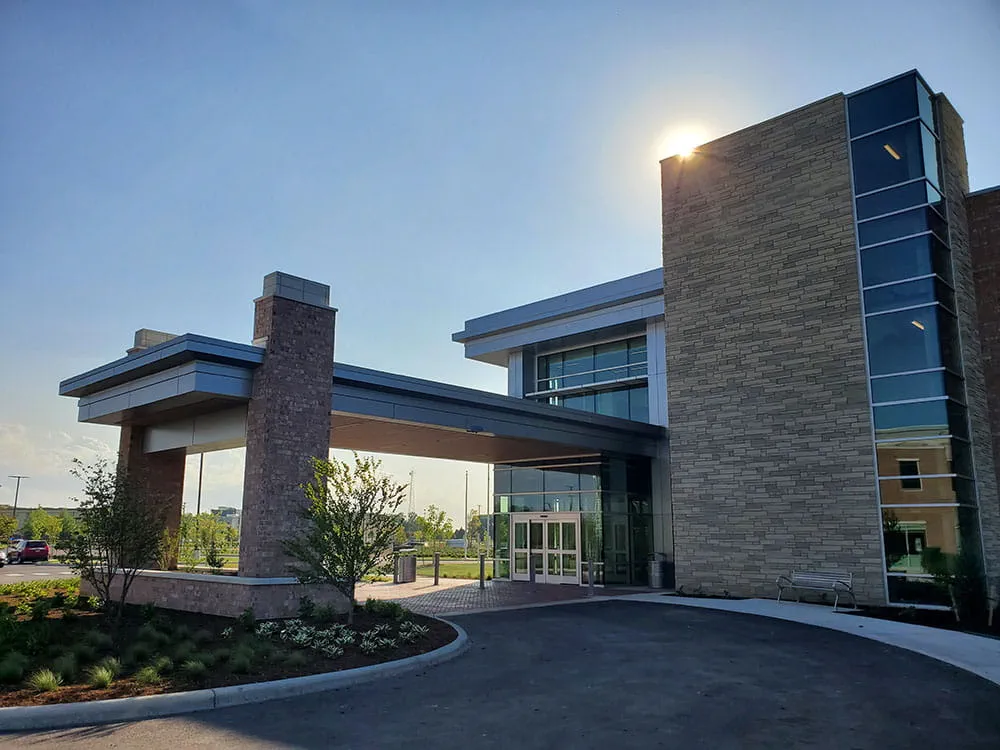
At ProMedica Cancer Center at Levis Commons in Perrysburg, we are dedicated to providing the highest level of exceptional cancer care close to home.
Fremont
Cancer Care
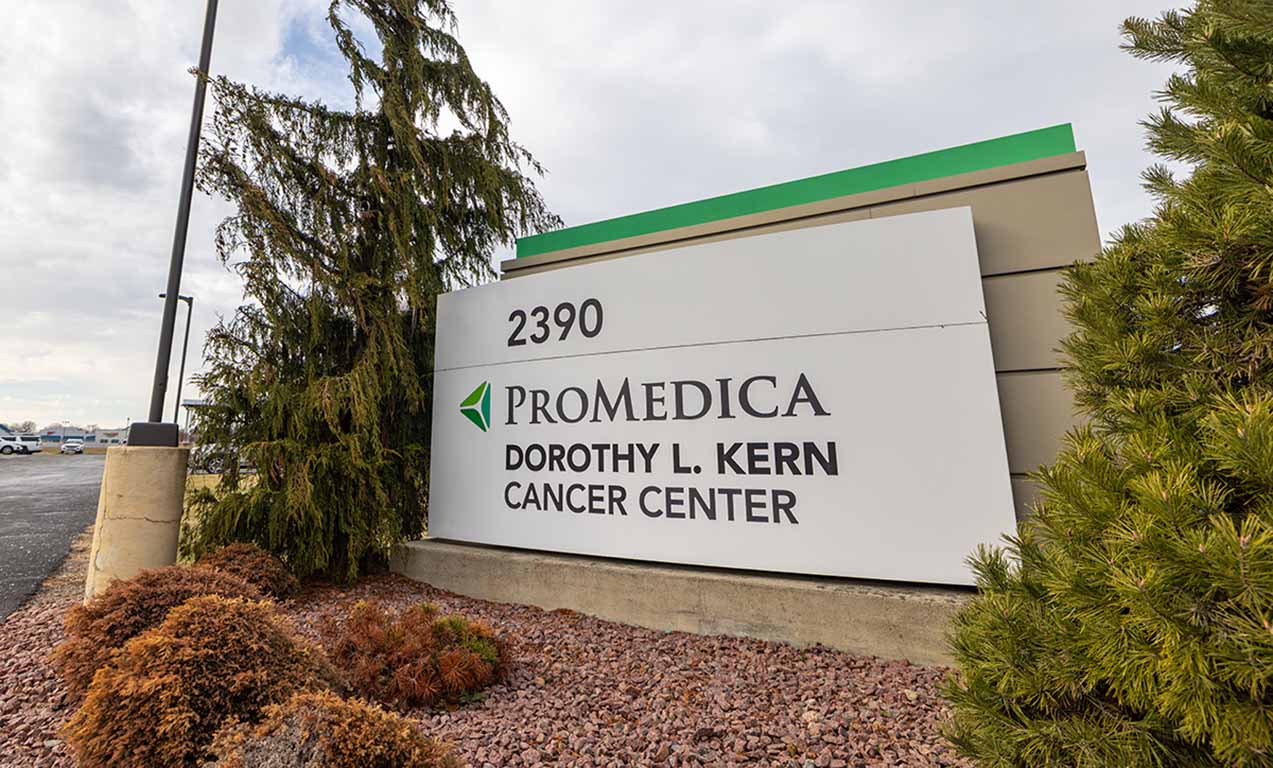
Welcome to ProMedica Dorothy L. Kern Cancer Center Fremont, Ohio. Get driving directions, hours of operation, learn about treatment and therapies and more.
Sylvania
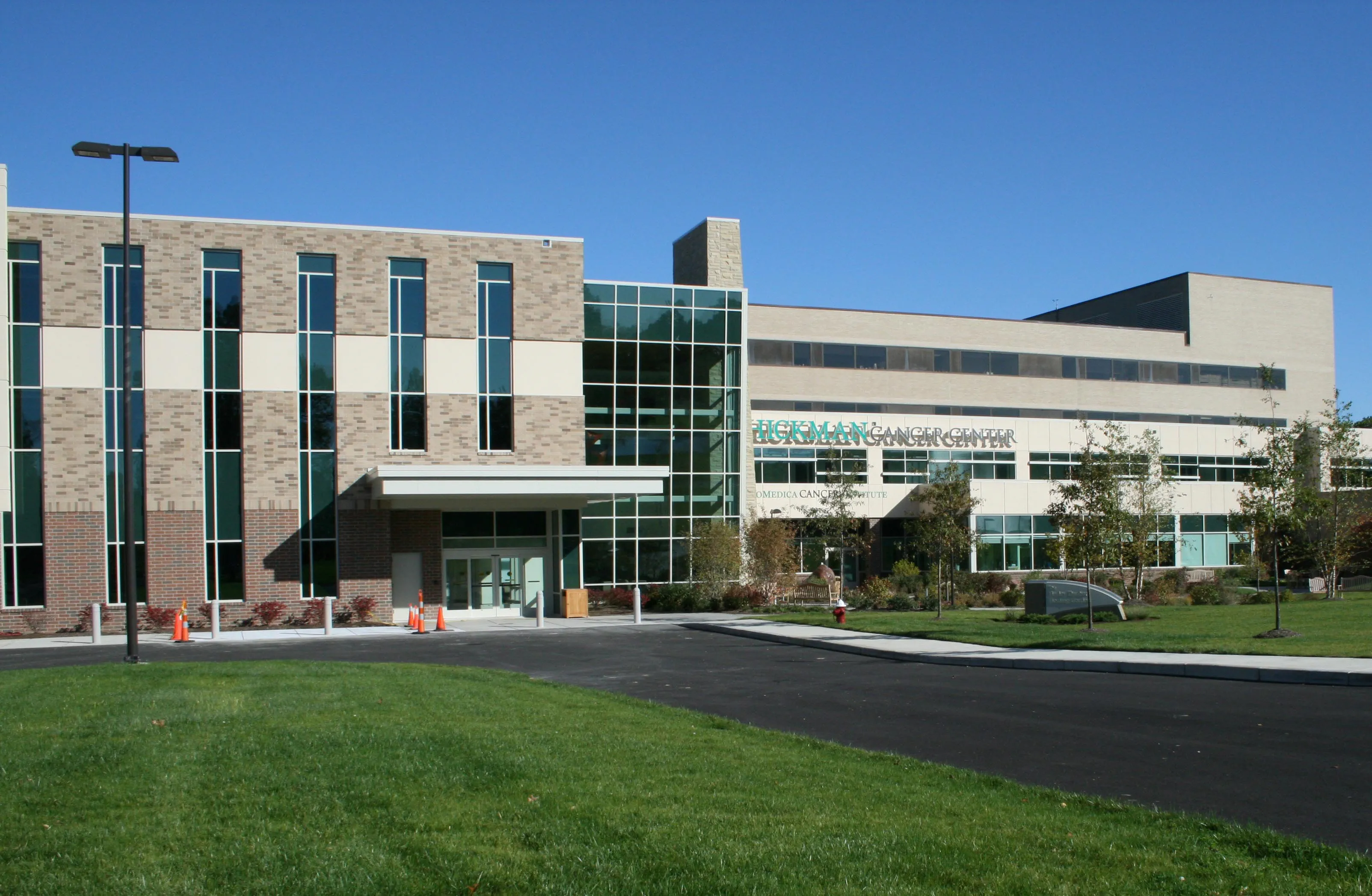
ProMedica Hickman Cancer Center
Discover what ProMedica Flower Hospital Hickman Cancer Center has to offer.

Fostoria
Cancer Care
Discover what ProMedica Fostoria Community Hospital Canter Care has to offer.
Toledo
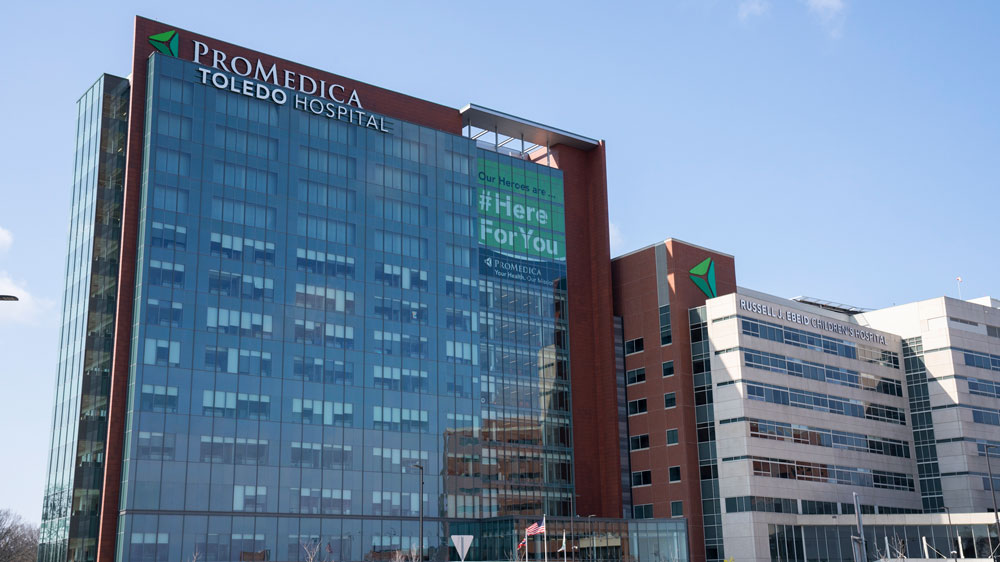
Alan W. and Deborah J. Brass Children's Cancer Center
Discover what ProMedica Alan W. and Deborah J. Brass Children's Cancer Center has to offer.
Monroe
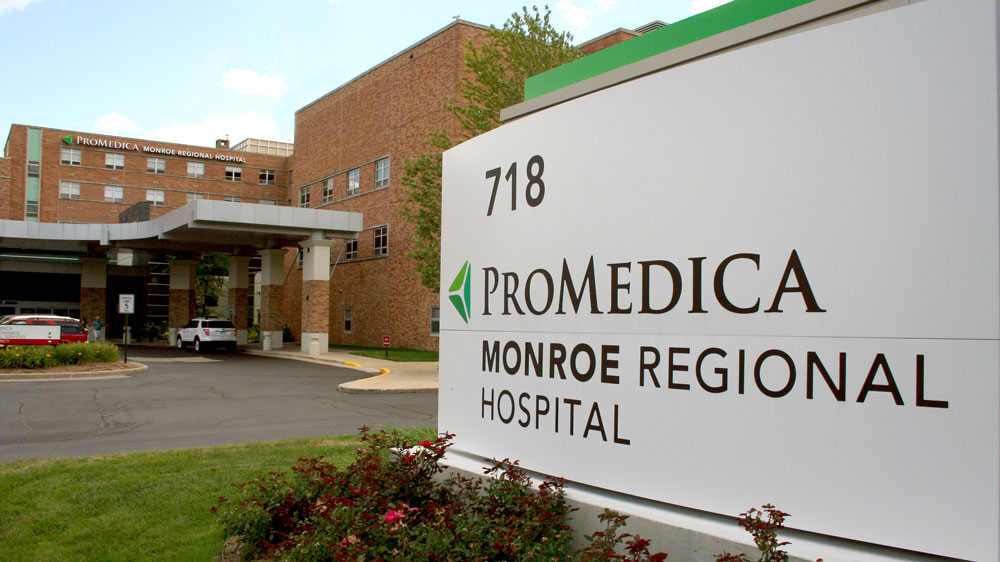
Cancer and Infusion Services
Discover what ProMedica Monroe Regional Hospital Cancer and Infusion Services has to offer.
Defiance
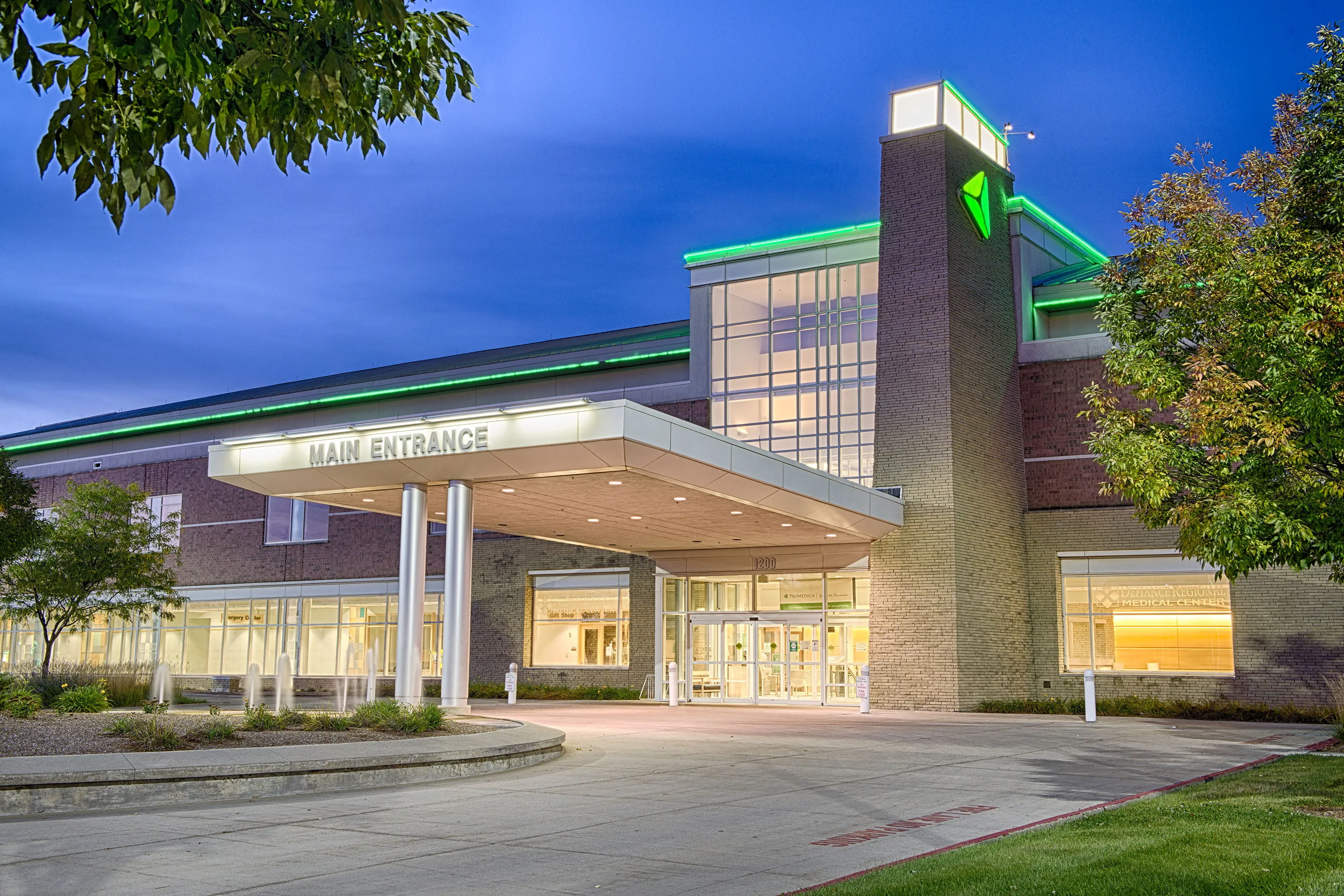
ProMedica Defiance Regional Hospital Cancer Center
Discover what ProMedica Defiance Regional Hospital Cancer Center has to offer.
Sylvania
ProMedica Cancer Institute High Risk Clinic
ProMedica Cancer Institute’s High Risk Clinic is dedicated to supporting people with a higher-than-average risk of developing certain cancers.
Related Services & Conditions
Neurosurgery
Our neurosurgeons offer quality care and expertise in the diagnosis and surgical treatment of a wide variety of brain and spine conditions.
Radiation Therapy
Radiation therapy is high-energy, therapeutic X-rays that can help prevent cancer cells from growing and multiplying.
Chemotherapy
Chemotherapy uses medications to treat cancer, keep it from spreading, slow growth or relieve symptoms. We're ready to help with a variety of chemotherapy options, including HIPEC, to treat your cancer.