For more information, call ProMedica Cancer Institute at 877-291-1441. Ask for the cardio-oncology clinic.
As part of your cancer care, you may be given drugs or radiation treatment to kill cancer cells. Sometimes the normal cells in and around your heart may also be harmed, causing lasting damage. This is called cardio toxicity. Your risk increases if you already have heart disease.
The cardio-oncology program at ProMedica Cancer Institute balances these risks. Our team of cardiologists and hematologists/oncologists work with you and your primary care provider to lessen the cardio toxicity that may be caused by your cancer treatment.
Cardio-oncology is appropriate at any stage of your cancer treatment or survivorship journey. Sometimes heart issues may surface long after cancer treatment is complete.
Do you need a cardio-oncology evaluation?
Your doctor bases your need for a cardio-oncology evaluation on:
- The type of cancer you have.
- The cancer treatment plan developed for your cancer.
- Your current and past heart health.
- Any changes in your heart health during or any time after treatment, even years after your treatment completion.
What happens at a cardio-oncology clinic appointment?
You'll see a cardiologist in our clinic, located in ProMedica Hickman Cancer Center, a department of ProMedica Toledo Hospital, on the campus of ProMedica Flower Hospital in Sylvania, Ohio. The cardiologist will review your heart function and health history (e.g., age, gender, BMI, history of heart conditions).
The doctor may order special tests, including cardiac-specific blood tests and an echocardiogram with strain imaging. The echocardiogram, a special cardiac ultrasound, evaluates the function of your heart muscle.
After the evaluation, the cardiologist, if needed, may:
- Prescribe drugs or treatments to help protect your heart during your cancer treatment.
- Develop a plan to monitor and improve your heart health following cancer treatment, which may include additional visits to the cardio-oncology clinic.
- Work with your oncologist to adjust your cancer treatment to lessen harmful effects to your heart.
Please know: We will not delay your cancer treatment. As always, your treatment will begin as soon as possible.
How To Make an Appointment
To make an appointment with us:
- Talk with your oncologist or primary care provider to decide if you are a candidate for the cardio-oncology clinic.
- Call ProMedica Cancer Institute at 877-291-1441. Ask for the cardio-oncology clinic.
Featured Locations
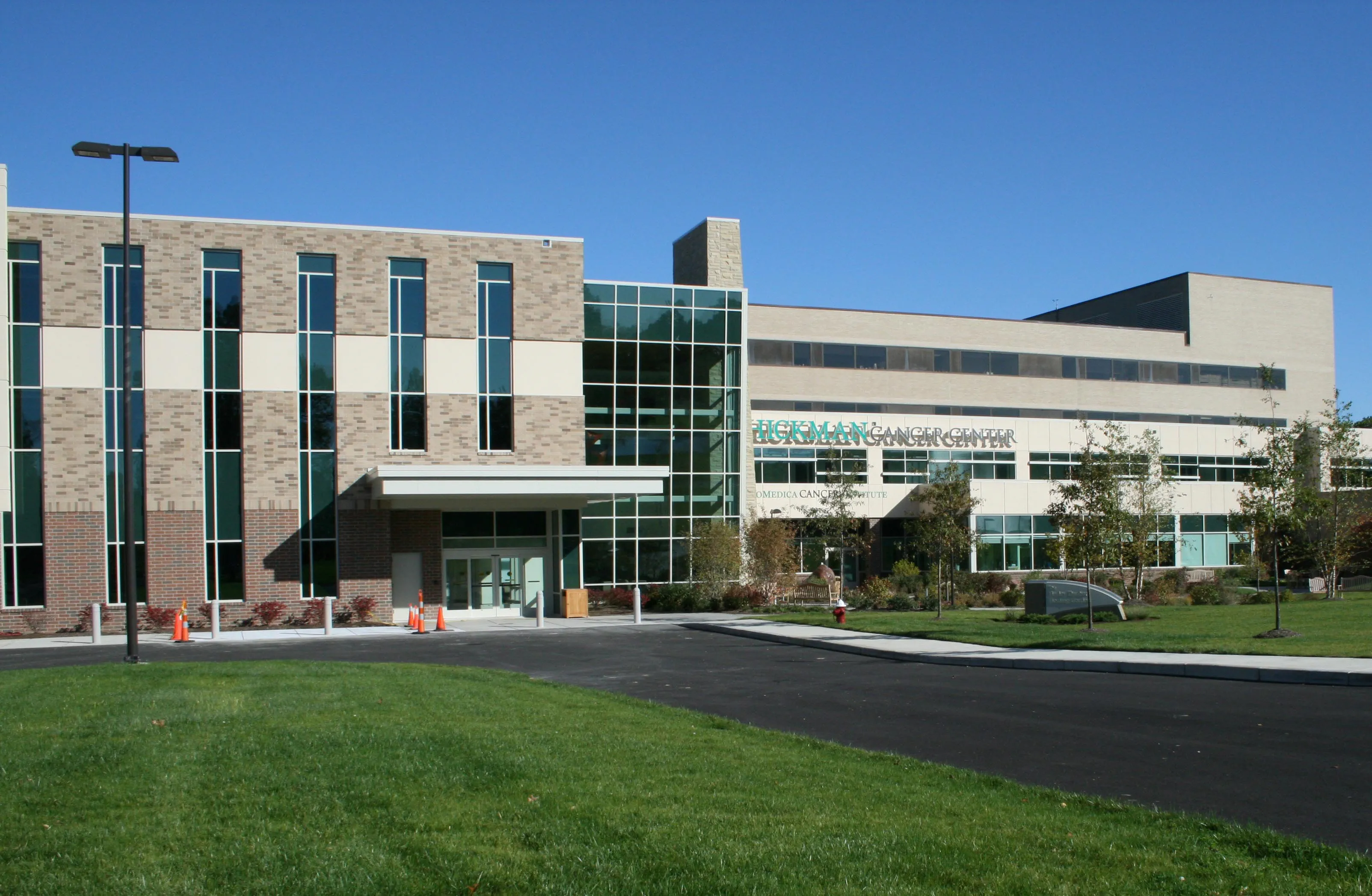
Sylvania
ProMedica Hickman Cancer Center
Discover what ProMedica Flower Hospital Hickman Cancer Center has to offer.
Sylvania
ProMedica Cancer Institute High Risk Clinic
ProMedica Cancer Institute’s High Risk Clinic is dedicated to supporting people with a higher-than-average risk of developing certain cancers.
Related Services & Conditions
Exceptional Cancer Care - ProMedica Cancer Institute
As the largest cancer program in the region, ProMedica Cancer Institute provides the power of choice when it comes to cancer care.
Radiation Therapy
Radiation therapy is high-energy, therapeutic X-rays that can help prevent cancer cells from growing and multiplying.
Chemotherapy
Chemotherapy uses medications to treat cancer, keep it from spreading, slow growth or relieve symptoms. We're ready to help with a variety of chemotherapy options, including HIPEC, to treat your cancer.
Healing Care
Cancer and its treatment are stressful for the patient and their family. ProMedica Cancer Institute’s Healing Care Program offers free therapies and classes to reduce stress and improve well-being. The program is…
Genetic Testing / Counseling
Some genetic mutations may raise your risk for cancer. Our genetic counselors are here to help you understand your genetics and your risks.
Cancer Rehabilitation
Live life to the fullest after cancer with support from our cancer rehab program. We're here to empower survivors to live better and stronger as you recover.
Clinical Research Trials
Researchers in many fields across ProMedica conduct clinical trials, which can help patients obtain access to innovative treatments for diseases.
Survivorship Care Planning
You're never alone during your fight against cancer. Along with your personal network, we can connect you to support groups and community resources. We also have a whole team of counselors, social workers and other…
Screenings
When to start cancer screenings and how often will depend on your age, family history and health. Talk with your doctor about your personal risk and the schedule that best fits your needs.