Understand Your Colorectal Cancer Risk
According to the American Cancer Society, colorectal cancer is the second most common cause of cancer-related deaths for men and women.
If a member of your family had colon cancer, you are at a higher risk for developing the disease yourself. If a family member had colon polyps but not colon cancer, you are still considered high risk. Colon polyps are a precursor to colon cancer. Follow the screening guidelines for someone with a family history of colorectal cancer.
Other risk factors for colorectal cancer include:
- Age: Colorectal cancer is more likely in men and women over the age of 45.
- Health history: Colorectal cancer is more likely if you have colon polyps, inflammatory bowel disease (IBD), ulcerative colitis, Crohn's disease or type 2 diabetes.
- Race and ethnicity: African Americans have the highest colorectal cancer rates of all racial groups in the United States. Ashkenazi Jews have one of the highest colorectal cancer risks of any ethnic group in the world.
- Body weight: Being overweight or obese raises your risk of developing colon or rectal cancer.
- Diet: Eating a diet high in red and processed meats (like hot dogs and some luncheon meats) can increase your risk of colorectal cancer. Cooking meats at high temperatures (frying, broiling, grilling) may raise your risk of cancer overall.
- Lifestyle: Smoking, using tobacco and drinking alcohol can raise your risk of colorectal cancer — and many other cancers, too.
Preventing Colorectal Cancer
Before an abnormality becomes colon cancer, it starts with a polyp. A colon polyp is a precursor to colon cancer. Typically, it takes colon polyps five to 10 years to develop into colorectal cancer. This means that you have five to 10 years from the formation of a polyp to get it removed before it turns into cancer. Small colon polyps can be removed during a routine colonoscopy using a wire loop passed through a colonoscope.
The best way to prevent colon cancer is through a colonoscopy. Don’t wait until you have symptoms. If you have an average risk for colorectal cancer, you should get your first coloscopy at 45 years old.
If you have a family history of colon cancer or colon polyps, you may need to start screening sooner. You should have your first colonoscopy by age 45, or 10 years before your family member's diagnosis, whichever comes first. Additionally, if you or a family member have been diagnosed with colorectal cancer before age 50, you can consider genetic testing.
At ProMedica, you can schedule a colonoscopy without an initial office visit if you are 45 or older and have an average risk of colorectal cancer.
Compassionate Cancer Care
As part of ProMedica Cancer Institute, we offer exceptional comprehensive cancer services, right here in our region. You don’t need to travel to have access to multidisciplinary care teams, state-of-the-art technology and supportive resources.
Our Institute houses the largest cancer registry in northwest Ohio, reaching into southeast Michigan. We’re honored to be chosen by so many whose lives have been affected by cancer. Clinical trials, genetic testing, care coordination, survivorship services and multiple accreditations are just some of the factors that set our nationally recognized Institute apart.
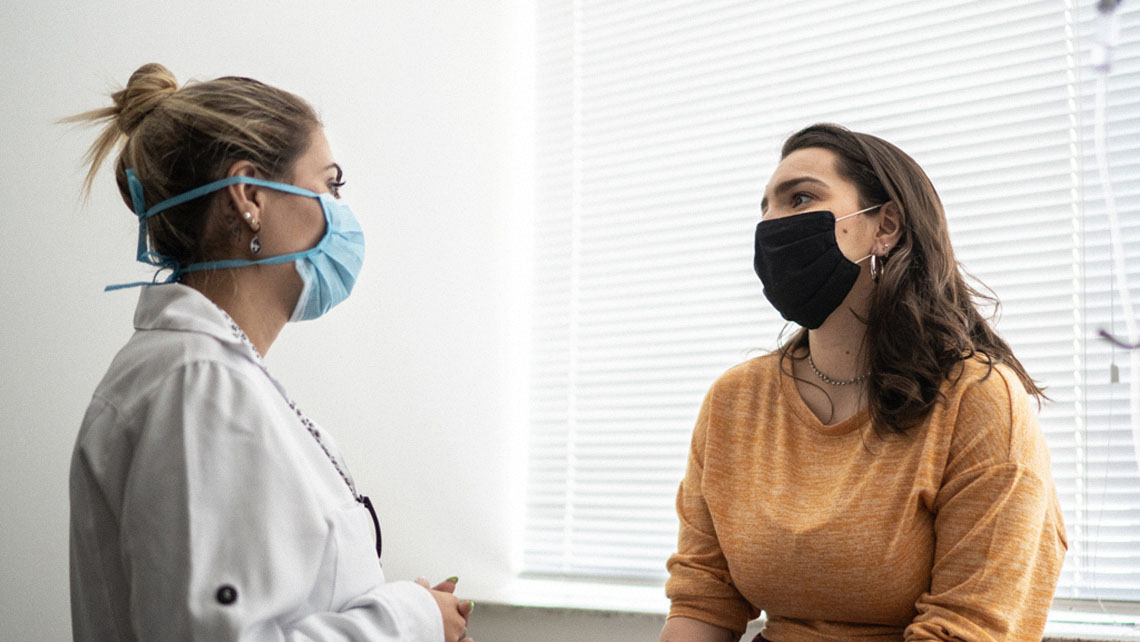
Colorectal Cancer Treatment at ProMedica
A colorectal cancer diagnosis can be scary – but we’re here to guide you through your entire treatment journey.
There's no one-size-fits-all treatment plan. We take the time to learn about you and your lifestyle before we recommend treatments. This helps us choose the therapies that will be least disruptive to your quality of life.
Then, your cancer care team, which includes your oncologist and other cancer specialists such as radiation oncologists, surgeons and pathologists, will meet to discuss your case and determine the best treatment plan and schedule.
The following treatments may be a part of your treatment plan.
Chemotherapy
Chemotherapy is a cancer treatment given intravenously (through a vein) to stop cancer cells from growing.
Hyperthermic Intraperitoneal Chemotherapy (HIPEC)
HIPEC treats metastatic (stage IV) cancers by combining surgery and heated chemotherapy. It is one of the most innovative cancer treatments available and can offer a greater chance for hope and survival for certain diagnoses.
HIPEC is used to treat specific gastrointestinal cancers that have spread in the abdomen and pelvis to peritoneal (abdominal tissue) surfaces, as well as primary peritoneal cancers.
With HIPEC, the chemotherapy drugs are more targeted and contained to your abdominal cavity. This results in fewer side effects than traditional chemotherapy. It also may be effective in killing the small, undetectable cancer cells that cannot be seen, which prevents them from forming into new tumors.
Not all patients with metastatic cancer are candidates for HIPEC. Talk to your oncologist to see if HIPEC might be right for you.
Radiation Therapy
Radiation therapy uses high-energy X-rays to shrink and kill cancer cells. It's usually given after surgery or chemotherapy to lower the risk of the cancer coming back.
Surgery
Surgery for colorectal cancer will depend on many factors, including how advanced the cancer is. Small or medium-sized polyps can even be removed during a colonoscopy (polypectomy).
Your doctor may perform an endoscopic mucosal resection during your colonoscopy, which removes the polyps as well as a layer of the colon's lining.
Polyps that can't be removed during a colonoscopy may be removed using laparoscopic surgery. In some cases, your doctor may recommend a laparoscopic partial colectomy (partial removal of the colon). The cancerous sections of the colon are removed, and the healthy portions are reattached.
If the colorectal cancer is advanced, the surgeon may not be able to reattach sections of the colon after a colectomy. A colostomy may be needed, which is a procedure that makes an opening in the abdominal wall. Waste (stool) that would normally move through the colon is rerouted to exit the body into a bag outside the body. A colostomy may be temporary or permanent.
We know that having a colostomy has a huge impact on your daily life. That's why we make every effort to treat your colorectal cancer conservatively before recommending a colostomy.
Our Cancer Support Services
You need support at each stage of your cancer journey. We'll help you cope – from your initial diagnosis to getting back to your life after treatment. When you choose ProMedica, you're never alone.
Our support services include:
- Genetic counseling, to understand your hereditary risk.
- Free therapies and classes through the Healing Care Program.
- Medicine management counseling.
- Care coordination and nurse navigators.
- Rehabilitation services.
- Survivorship program and support groups.

Featured Locations

ProMedica Physicians Colorectal Surgery
Click here to learn about the services we offer. Get driving directions, contact information, operating hours and more.
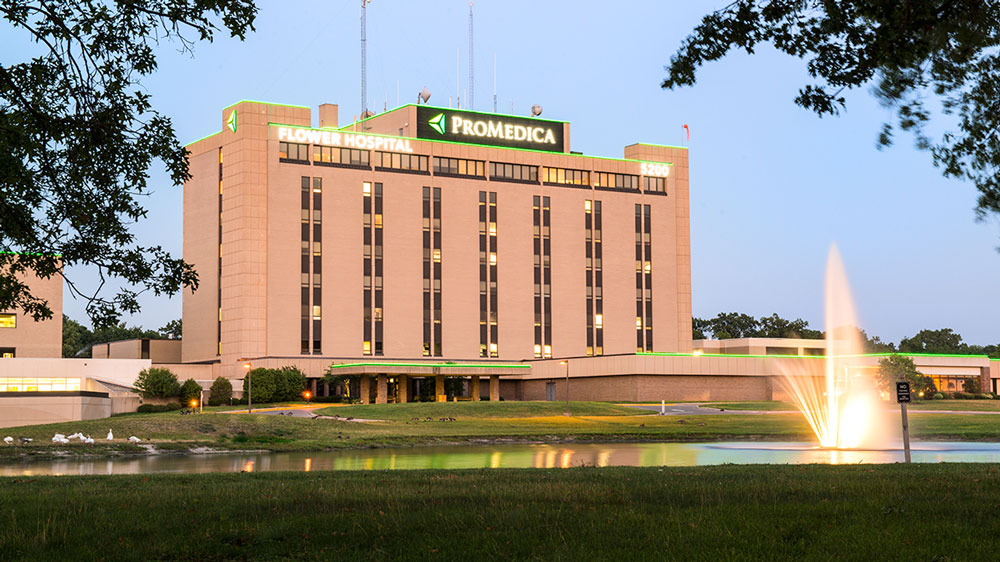
Flower Hospital
Surgery Center
Discover what ProMedica Flower Hospital Surgery Center has to offer.
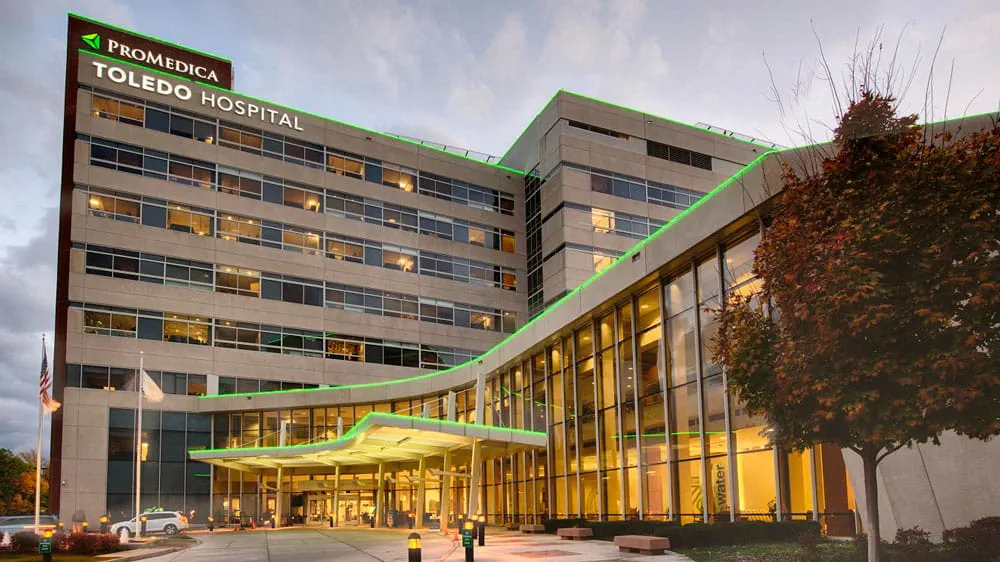
Toledo Hospital Surgery Center
Discover what ProMedica Toledo Hospital Surgery Center has to offer.

Defiance Regional Hospital
Surgery Center
Discover what ProMedica Defiance Regional Hospital Surgery Center has to offer.
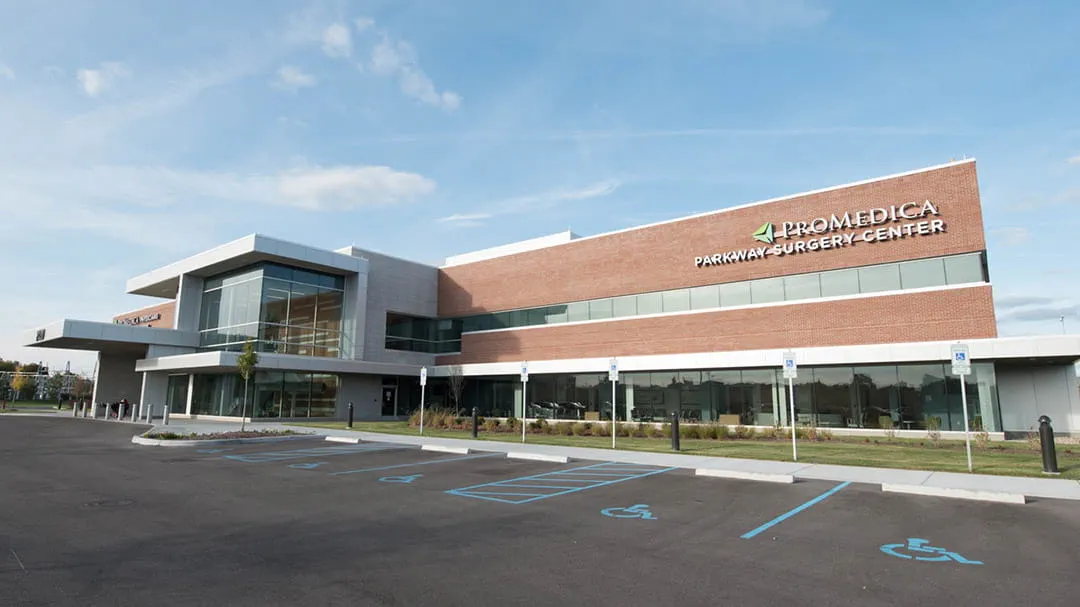
ProMedica Parkway Surgery Center
Welcome to ProMedica Parkway Surgery Center Toldeo, Ohio. Get driving directions, hours of operation, learn about treatment and therapies and more.
ProMedica Physicians Colorectal Surgery - Perrysburg
Discover expert care at ProMedica Physicians Colorectal Surgery in Perrysburg. Our specialized surgeons offer advanced treatments for lower digestive tract conditions.
ProMedica Physicians General Surgery
Click here to learn about the services we offer. Get driving directions, contact information, operating hours and more.
Related News & Stories

Health Conditions
How Digestive Diseases Affect Your Risk of Colorectal Cancer
Chronic inflammatory bowel diseases raise the risk of developing colorectal cancer. Learn how to lower your risk.
Health Conditions
Cologuard or Colonoscopy: Which one should I choose?
Should Cologuard be used in place of a traditional colonoscopy?
Experiences
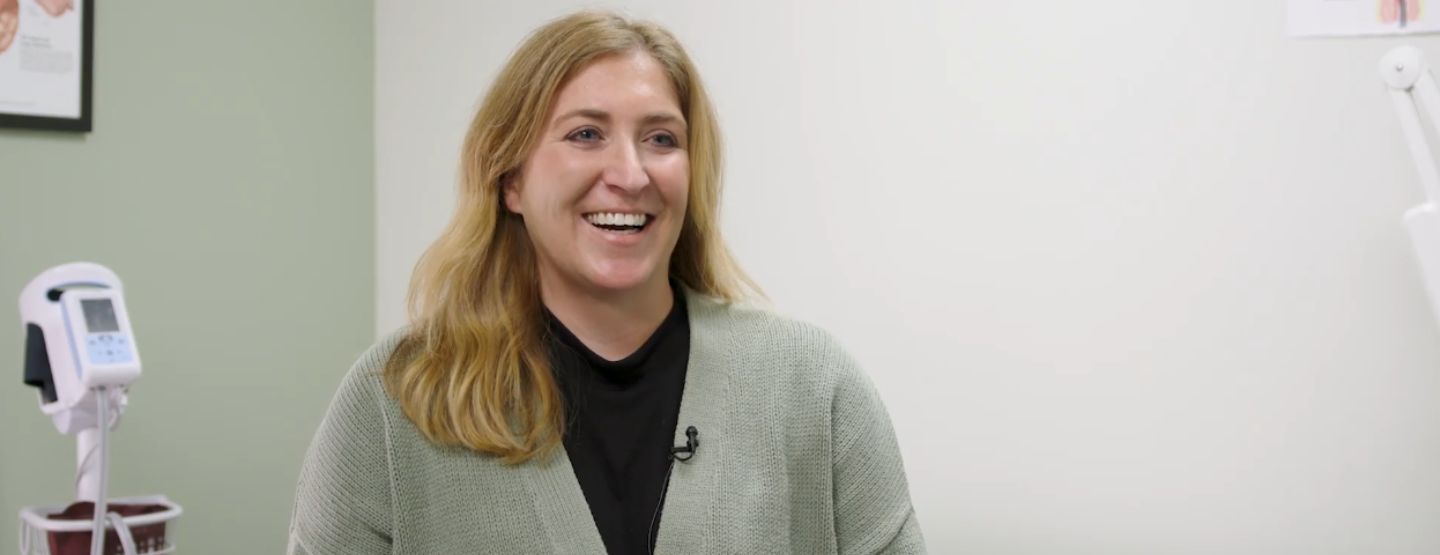
Patient Avoids Colon Cancer Through Routine Colonoscopy
Stephanie Sharpe avoided a colon cancer diagnosis when she got a routine colonoscopy at age 45.
Health Conditions
Prevention Critical to Addressing Early Colorectal Cancer
Over the past decade, there has been an increase in many types of cancer among younger adults, including colorectal cancer.
Related Services & Conditions
Endoscopy
Endoscopic procedures examine the colon, esophagus, lungs, stomach, small intestine or pancreas for causes of pain and discomfort.
Radiation Therapy
Radiation therapy is high-energy, therapeutic X-rays that can help prevent cancer cells from growing and multiplying.
Chemotherapy
Chemotherapy uses medications to treat cancer, keep it from spreading, slow growth or relieve symptoms. We're ready to help with a variety of chemotherapy options, including HIPEC, to treat your cancer.
Genetics Testing and Counseling
Some genetic mutations may raise your risk for cancer. Our genetic counselors are here to help you understand your genetics and your risks.
Healing Care
Cancer and its treatment are stressful for the patient and their family. ProMedica Cancer Institute’s Healing Care Program offers free therapies and classes to reduce stress and improve well-being. The program is…
ProMedica Cancer Institute
At ProMedica Cancer Institute, we've diagnosed and treated more patients than any other cancer care group in the region. Our comprehensive team is here to connect you to innovative treatments and support services, so…
Colonoscopy
Up to 90% of colon cancers could be prevented if people were screened at the appropriate times. Don’t put it off. Schedule your colonoscopy today.