Prevention and Expert Treatment to Help You Breathe Easier
It can be hard to stay positive after a cancer diagnosis. But not knowing can feel worse. If your chest pain, persistent cough or trouble swallowing have you concerned, the lung experts at ProMedica are here for you. We offer state-of-the-art diagnosis and treatment plans for your peace of mind and healing.
Using the latest technologies and therapies in the area, we'll help you breathe easier and feel like yourself again.
Our Approach
Wherever you are in your lung cancer journey, we're here to help you make the important decisions. With complete cancer care that's close to home, you'll have access to everything you need. From preventive screenings and diagnoses to support resources, we'll be with you for every step of your treatment and beyond.
Services To Support Your Journey
We're here through each phase of your care, with services that support you physically and emotionally, including:
- Genetic counseling.
- Healing care.
- Nurse navigators.
- Survivorship program.
Care Coordination and Nurse Navigators
We know cancer treatment can feel overwhelming. We want you to focus on getting better, not trying to keep tests, treatment and doctors straight. A member of your care team or a personal nurse navigator will guide you through every step of treatment, including:
- Working side-by-side with you to ensure compassionate, supportive and individualized care.
- Scheduling/coordinating appointments and helping to reduce the amount of time from diagnosis to treatment.
- Providing education and support to you and your family.
- Facilitating/coordinating care provided by an interdisciplinary team of physicians, including medical, surgical and radiation oncology consults.
- Working on behalf of you and your family to remove possible obstacles to care, including insurance issues, medication assistance or lack of transportation.
- Communicating with your physician and helping to communicate the physician's plan of care.
Expertise and Technology
When you come to ProMedica for care, you'll have a whole team rooting and working for you. With expert medical, radiation and surgical oncologists, oncology nurses, pharmacists, genetic counselors, therapists and more, you'll have all the support you need along the way.
Our goal is to provide you with today's most promising diagnostics, treatments and services. We work hard to stay on the leading-edge of medicine because your healing is our top priority.
Accredited and Nationally Recognized
When you need us most, you can count on the accredited and nationally recognized services provided through the ProMedica Cancer Institute, which houses the largest cancer registry in the region. These accreditations show that we consistently demonstrate the highest standards of care and connect patients to a vast network of diagnostic, treatment and support resources.
Risk Factors, Prevention and Screening
Although lung cancer is the leading cause of cancer deaths in the United States, it is largely preventable. Also known as lung carcinoma, lung cancer is a malignant lung tumor caused by uncontrollable, abnormal cell growth in one or both of your lungs. These cells keep your lungs from working normally as they keep growing and spreading. This growth can also spread beyond your lungs by a process called metastasis.
When you know your risk, you can take steps to help prevent the disease and stay on top of any recommended screenings. Lung cancer that is diagnosed early is more treatable and could save your life because treatment may begin before the cancer spreads.
Know Your Risk
Smoking is the single greatest risk factor for lung cancer. Smoking damages the tissues in your lungs to the point where your body can't repair itself anymore. Even secondhand smoke is dangerous.
Beyond the dangers of smoking, other risk factors can include:
- A family history of lung cancer.
- A history of cancer in another part of your body.
- Being over the age of 50.
- Exposure to radon, asbestos or other industrial chemicals.
- Other diseases in the lungs.
- Previous radiation therapy.
Take Preventive Measures
Quitting smoking is the best thing you can do to prevent lung cancer. Quitting at any age can greatly lower your risk for lung cancer.
Other ways to prevent lung cancer include:
- Be aware of chemical exposure. Talk to your employer about worksite wellness and safety procedures.
- Have your home tested for radon. Radon is a natural gas in rock, soil and water. It can collect in unsafe levels in any building.
- Know your family history. If lung cancer runs in your family, talk to your doctor.
Stay on Top of Recommended Screenings
Because lung cancer shows very few signs early on, many people get diagnosed after it's already progressed. This makes early detection key to survival.
A simple, low-dose CT scan to screen for lung cancer takes less than 15 minutes. Talk with your doctor about your lung cancer risk. Together, you can create a screening schedule that's right for you.
Most major insurance plans (including Medicare) cover this screening for people at high risk for lung cancer. You'll need a doctor's order.
Your doctor may recommend a low-dose CT scan if you are age 50-80 who:
- Currently smokes OR has quit smoking within the last 15 years AND who have a 20 pack-year smoking history.
- Smoked at least one pack of cigarettes a day for the past 30 years OR smoked at least two packs a day for 15 years.
If you would like to schedule a screening, obtain an order from your doctor and call our central scheduling at 419-291-3000 or 800-479-8805.
Diagnosing and Treating Lung Cancer
Learn the signs and symptoms of lung cancer, and what treatments are available if you are diagnosed.
Signs and Symptoms
In the early stages of lung cancer, people typically show few signs. However, in some cases, these signs have been known to signal lung cancer:
- A constant or wet smoker’s cough.
- Bone pain.
- Chest, shoulder or back pain.
- Coughing up blood.
- Headaches.
- Hoarseness or other changes in voice.
- Repeated lung infections.
- Trouble swallowing.
- Weight loss.
Since a lot of these signs can point to other health conditions, many people don't even think about having lung cancer. That's why, if you're at a higher risk, you should be on the lookout for any of the signs.
If you're over age 55 and have ever smoked, talk with your doctor right away if you have any of the signs.
Testing and Diagnosis
If your doctor suspects you have lung cancer, there are a wide variety of tests to help rule out or confirm your diagnosis. Often, you'll be asked to have more than one of these tests. Used together, they can give your doctors a clear picture of your lung health.
- Biopsies.
- Magnetic resonance imaging (MRI) tests.
- Molecular tests.
- Positron emission tomography (PET) scans.
- X-rays.
At ProMedica, we strive to provide you with the best possible care – and that starts with state-of-the-art screenings and diagnostics. With the high-quality equipment and technology available today, you can expect an accurate diagnosis.
From your primary care provider to the specialists who analyze your test results, we'll work together to make it a seamless process for you. And because we know that waiting for test results can sometimes be the most stressful part of your journey, we work hard to share your results quickly, with compassion.
To schedule your diagnostic tests, call our lung cancer patient navigator at 419-824-8851.
Treatments
If you've been diagnosed with lung cancer, our experts are here for you with a range of choices to get you on the path to recovery.
Surgery is a common treatment for non-small cell lung cancer that has not spread to other parts of the body. You may also be referred to a thoracic surgeon for a lung biopsy for diagnosis and cancer staging. It's also often combined with other forms of treatment, such as chemotherapy or radiation.
Your lung cancer treatment may include:
- Lung biopsy: Tests a sample of tissue from the lungs to look for lung disease, cancer or another conditions.
- Chemotherapy: Kills cancer cells.
- Radiation: Shrinks and kills cancer cells.
- Hormone therapy: Adds, blocks or removes hormones to slow or stop the growth of hormone-sensitive cancers.
- Immunotherapy (also known as biotherapy): Helps your body fight cancer and other diseases using substances made from living organisms.
- Surgery: Removes the lymph nodes and healthy tissue surrounding the cancer.
- Thoracic surgery: Removes damaged or diseased lung tissue.
- Lobectomy: Removes one of the lobes of the lung.
- Bilobectomy: Removes two of the lobes in the right lung.
- Wedge resection: Removes part of the lung.
- Pneumonectomy: Removes the lung.
Featured Locations

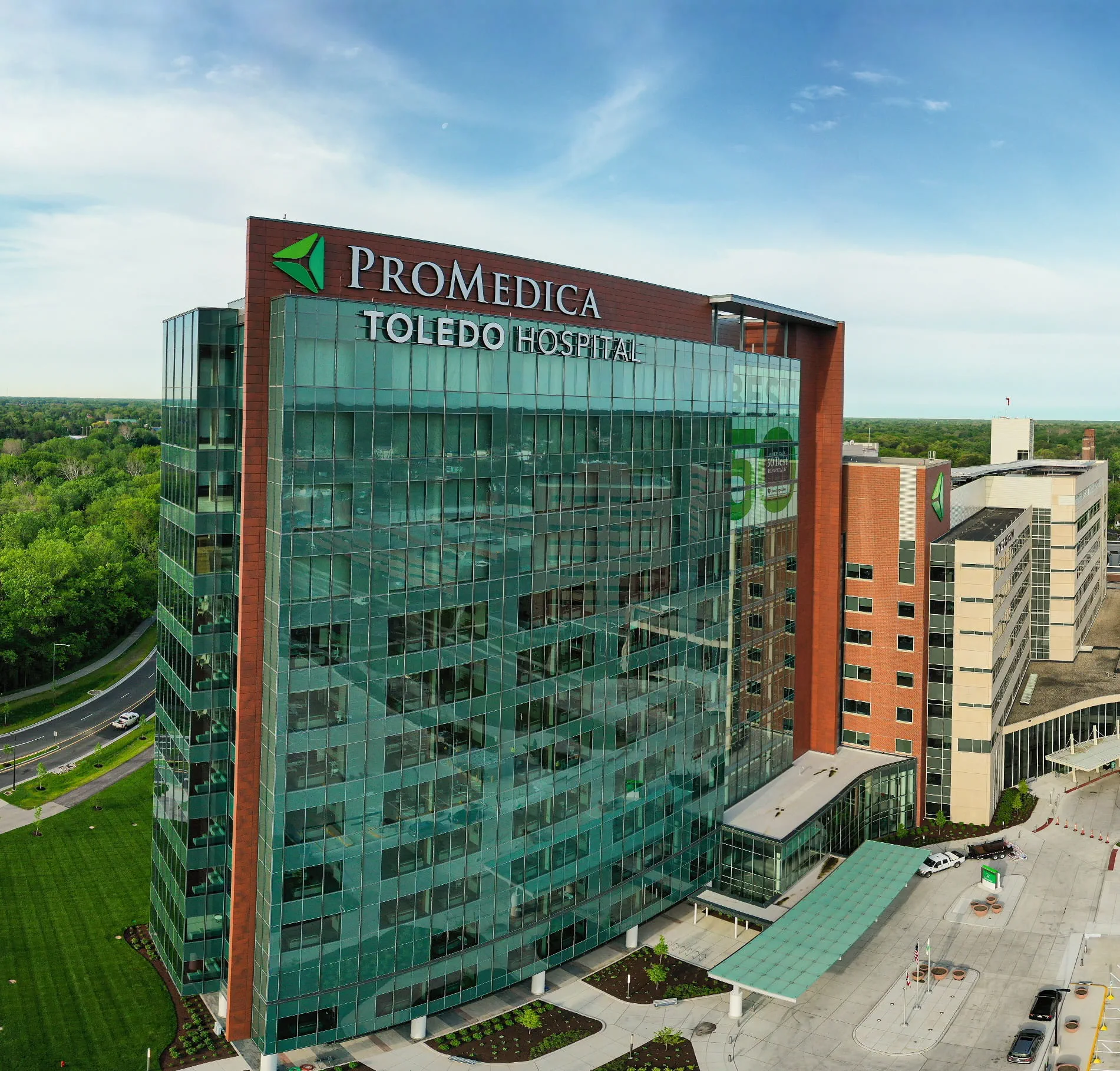
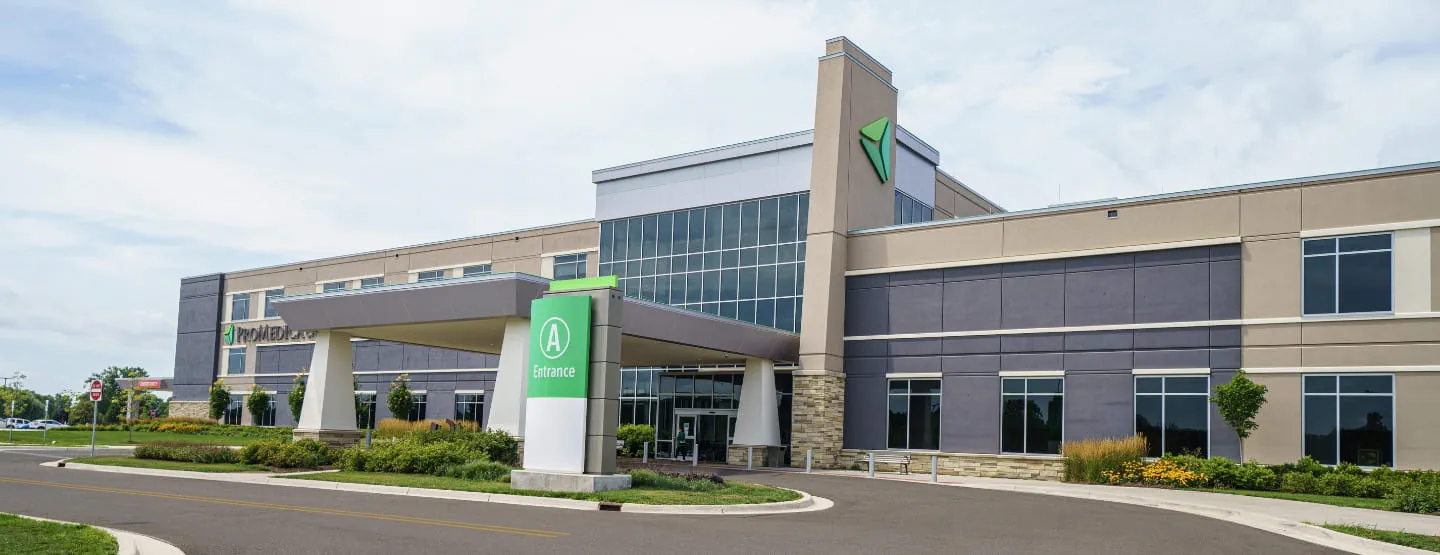
ProMedica Memorial Hospital Orthopaedics
Welcome to ProMedica Memorial Hospital Orthopaedics. Get driving directions, hours of operation, learn about treatment and therapies and more.
Adrian
Chemotherapy and Infusion Services
Discover what ProMedica Hickman Infusion Center has to offer.

Oregon
ProMedica Bay Park Hospital Cancer Care
Discover what ProMedica Bay Park Hospital Cancer Center has to offer.
Fremont
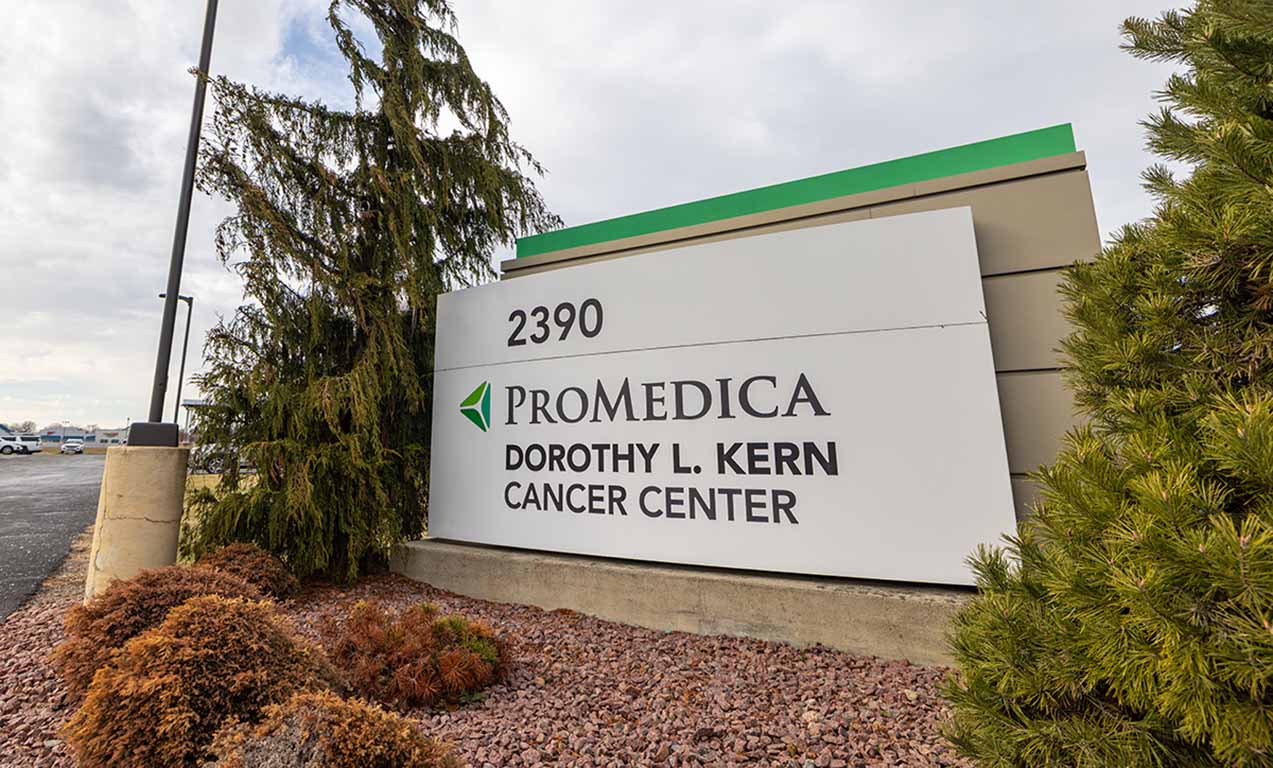
Cancer Care
Welcome to ProMedica Dorothy L. Kern Cancer Center Fremont, Ohio. Get driving directions, hours of operation, learn about treatment and therapies and more.
Sylvania
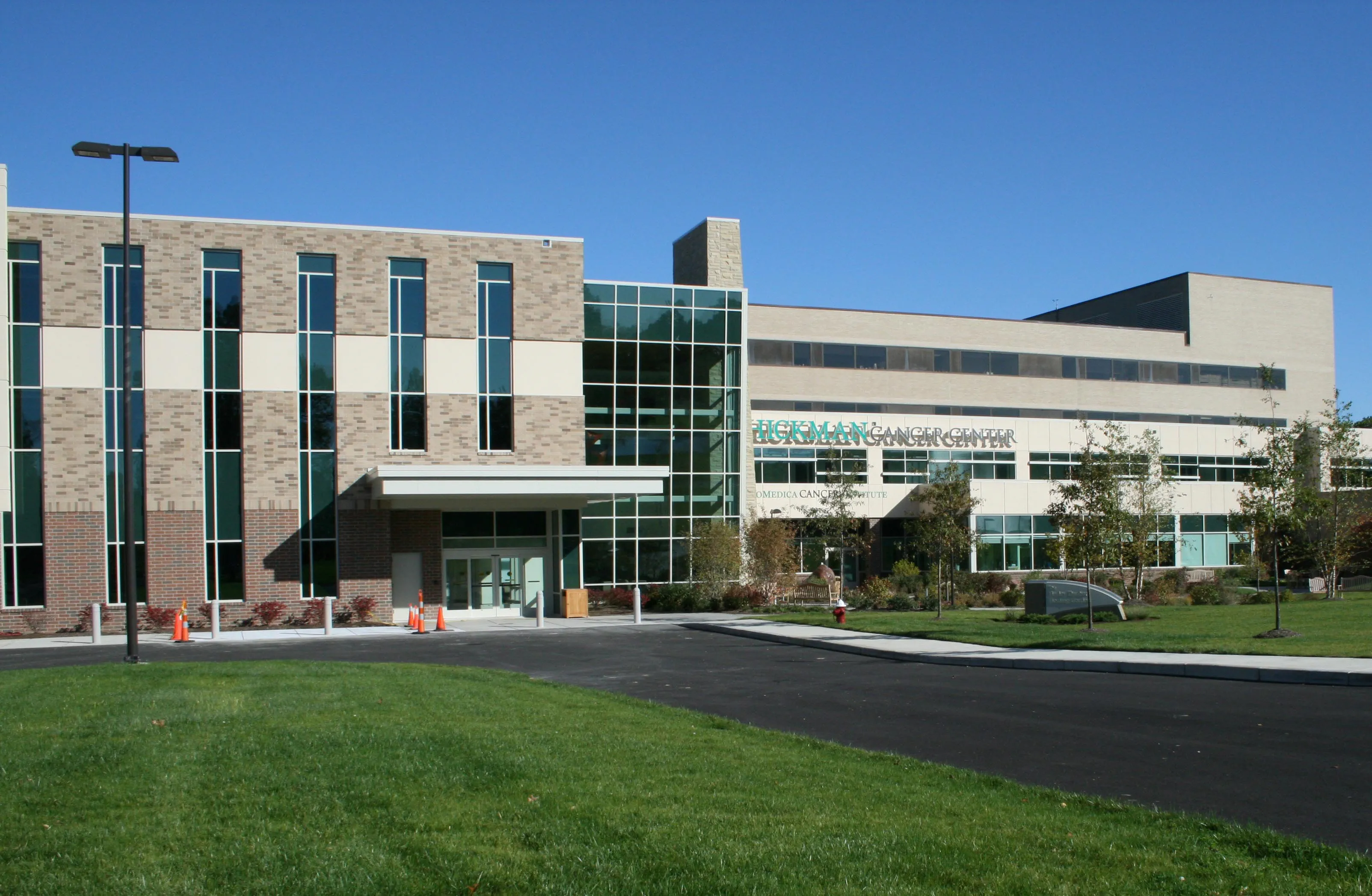
ProMedica Hickman Cancer Center
Discover what ProMedica Flower Hospital Hickman Cancer Center has to offer.

Fostoria
Cancer Care
Discover what ProMedica Fostoria Community Hospital Canter Care has to offer.
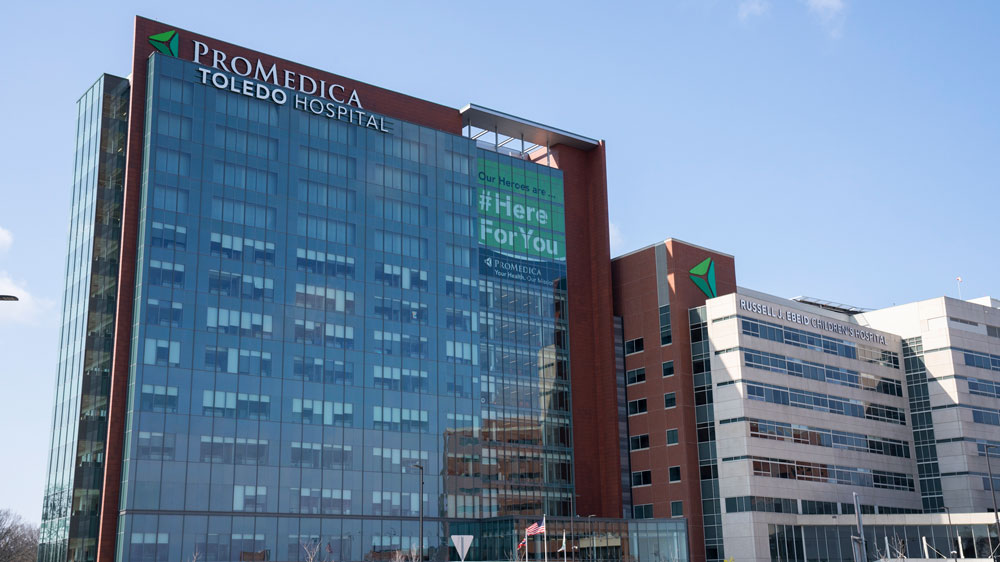
Toledo
Alan W. and Deborah J. Brass Children's Cancer Center
Discover what ProMedica Alan W. and Deborah J. Brass Children's Cancer Center has to offer.
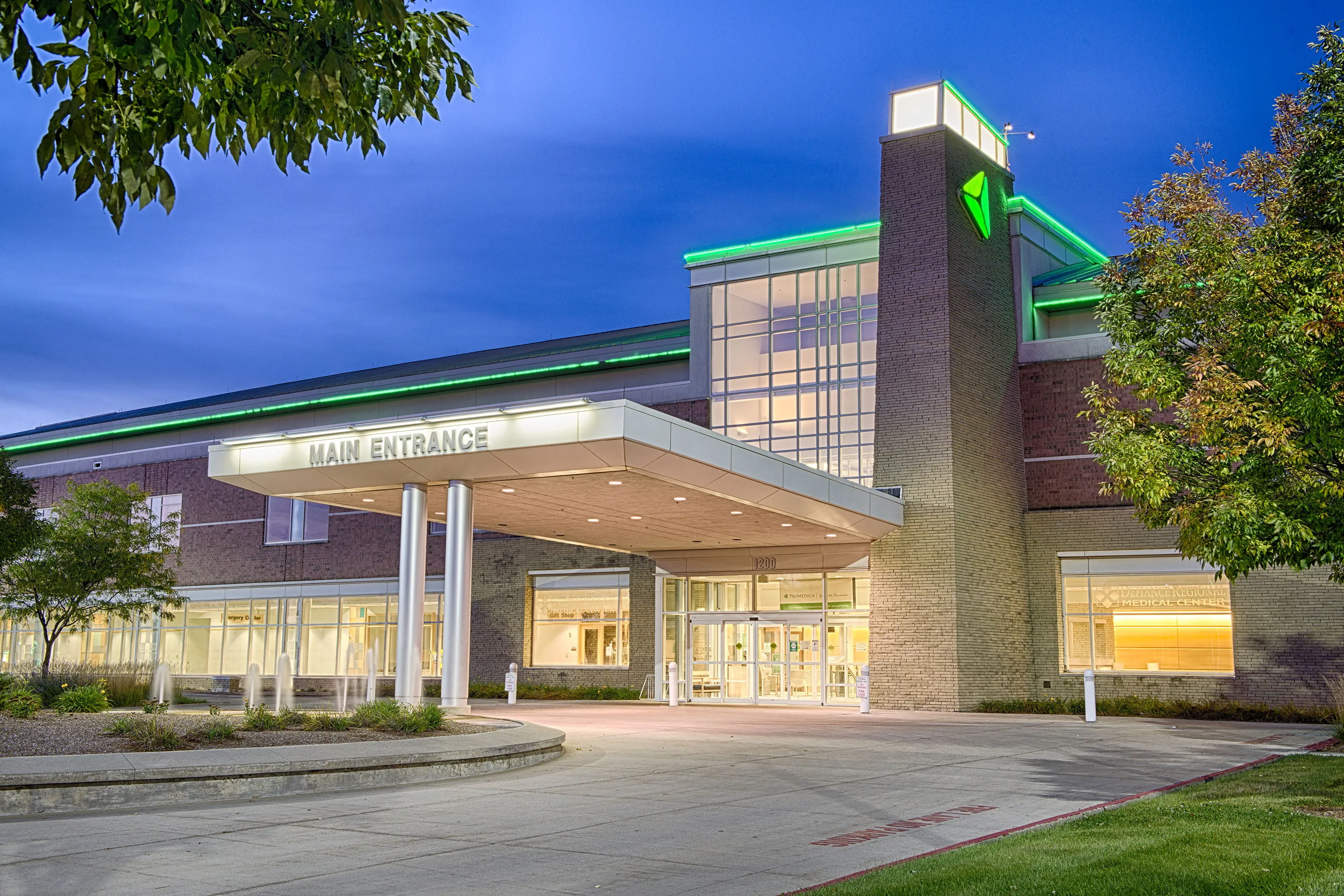
Defiance
ProMedica Defiance Regional Hospital Cancer Center
Discover what ProMedica Defiance Regional Hospital Cancer Center has to offer.
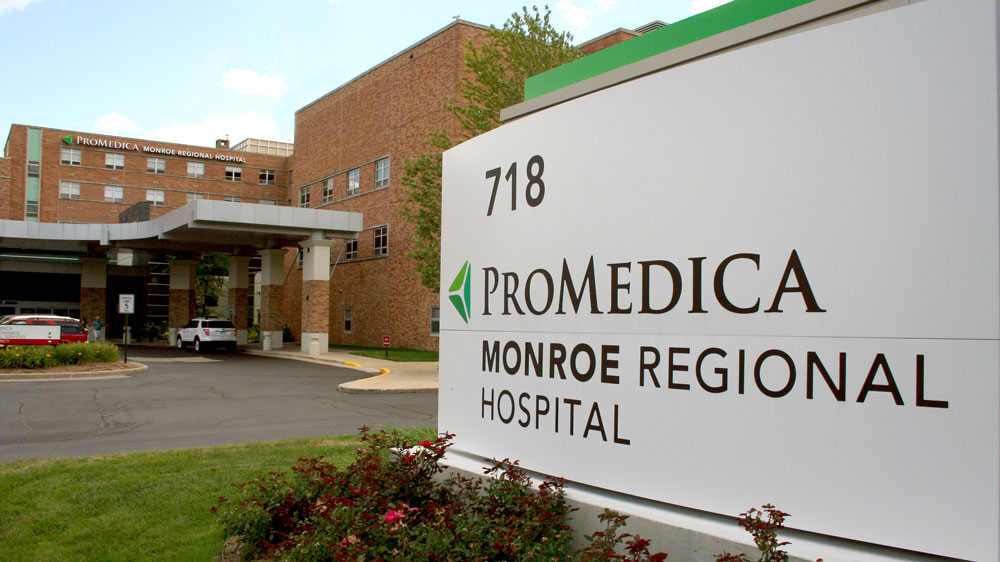
Monroe
Cancer and Infusion Services
Discover what ProMedica Monroe Regional Hospital Cancer and Infusion Services has to offer.
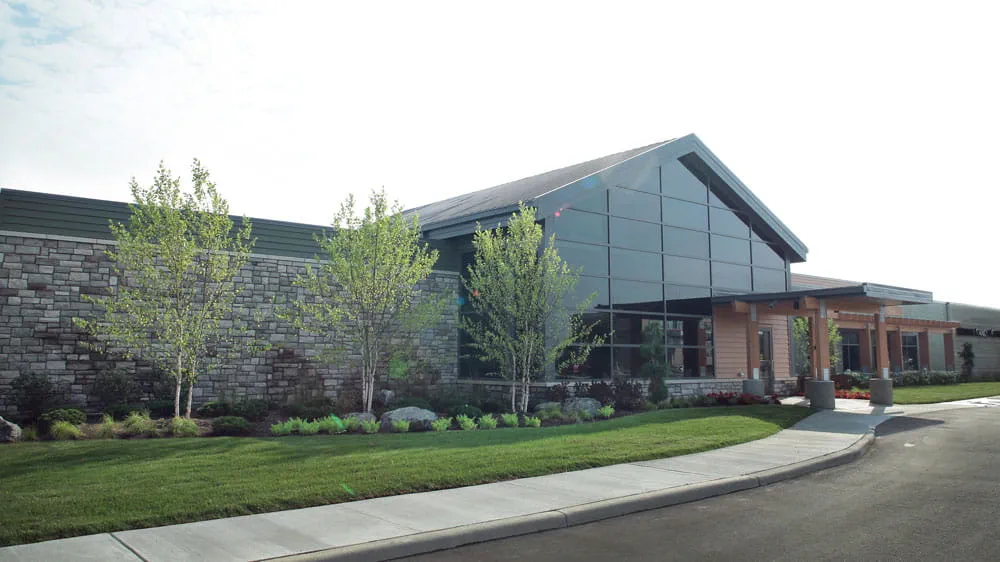
ProMedica Monroe Cancer Center
Welcome to ProMedica Monroe Cancer Center Monroe, Michigan. Get driving directions, hours of operation, learn about treatment and therapies and more.
Sylvania
ProMedica Cancer Institute High Risk Clinic
ProMedica Cancer Institute’s High Risk Clinic is dedicated to supporting people with a higher-than-average risk of developing certain cancers.
Related Services & Conditions
ProMedica Cancer Institute
At ProMedica Cancer Institute, we've diagnosed and treated more patients than any other cancer care group in the region. Our comprehensive team is here to connect you to innovative treatments and support services, so…
Tobacco Cessation
Are you ready to quit smoking for good? We can help. Our smoking cessation program can equip you with the tools, information and support you need for success.
Thoracic Surgery
Using the most advanced methods, our cardiothoracic surgeons specialize in minimally invasive thoracic procedures to treat the lungs, chest wall, trachea and esophagus.
Radiation Therapy
Radiation therapy is high-energy, therapeutic X-rays that can help prevent cancer cells from growing and multiplying.
Chemotherapy
Chemotherapy uses medications to treat cancer, keep it from spreading, slow growth or relieve symptoms. We're ready to help with a variety of chemotherapy options, including HIPEC, to treat your cancer.