Advanced Robotics When Surgery Is Needed
Surgery isn’t always needed to treat prostate cancer. But when you and your doctor determine it’s the best treatment, ProMedica’s surgeons have advanced options for safer procedures and easier recovery. Single-port robotic-assisted surgery allows access to hard-to-reach areas, such as the prostate. The entire surgery can be performed without entering the peritoneum, which holds intestines and other vital organs. This means an easier procedure to tolerate, with fewer risks.

Comprehensive Cancer Services
As part of ProMedica Cancer Institute, we offer exceptional comprehensive cancer services, right here in our region. You don’t need to travel to have access to multidisciplinary care teams, state-of-the-art technology and supportive resources.
Our Institute houses the largest cancer registry in northwest Ohio, reaching into southeast Michigan. We’re honored to be chosen by so many whose lives have been affected by cancer. Clinical trials, genetic counseling and testing, care coordination, survivorship services, healing care and multiple accreditations are just some of the factors that set our nationally recognized Institute apart.

Prostate Cancer Screening and Diagnosis
Typically, there are no signs of prostate cancer in its early stages. Screening is essential to catching the disease early. Prostate cancer screenings include a physical exam and digital rectal exam (DRE). A PSA test is also used to determine the level of prostate-specific antigen. A high PSA level could indicate prostate cancer.
Based on the results of your DRE and PSA screenings, your doctor may want you to have more tests. This could include:
Prostate ultrasound: An ultrasound probe is inserted gently into the rectum. A transrectal ultrasound allows your doctor to scan your entire prostate and check for abnormalities inside and around your prostate. This is often performed along with a prostate biopsy.
Prostate biopsy: Tiny pieces of prostate tissue are removed using small needles. They are checked for cancer cells. Biopsies are the only way to know if you have prostate cancer.
An Individualized Treatment Plan
Your ProMedica care team will design a prostate cancer treatment plan that meets your unique needs. In some cases, one form of treatment could be effective. But in many cases, your doctor might suggest combining multiple treatment methods to help you achieve the best possible outcome. Your personal treatment plan may include:
Chemotherapy. These drugs work by killing cancer cells and preventing them from dividing. It may be given before or after surgery.
Radiation therapy. High-energy X-rays can shrink and kill cancer cells. This is usually done after surgery or chemotherapy to lower the risk of cancer returning.
Immunotherapy. Also called biotherapy, immunotherapy uses substances made from living organisms to help the body fight cancer and other diseases. These may be synthetic or they may occur naturally.
Hormone therapy. Reducing the levels of male hormones called androgen can shrink prostate cancers and make them grow more slowly.
Cryotherapy. Very cold temperatures may be used to freeze and destroy cancerous cells.
Surgery. Surgery to remove the prostate may be the best course of treatment to effectively control the cancer. It may also have fewer potential side effects and a quicker recovery.
FAQ
How common is prostate cancer?
Prostate cancer is the most common cancer in American men. The American Cancer Society estimates that there will be more than 174,000 new cases of prostate cancer diagnosed yearly.
What is prostate cancer?
The prostate is a gland located below the bladder and in front of the rectum. It produces a fluid that together with other fluids produces sperm. The prostate is about the size of a walnut, but can be much larger in older men. Almost all prostate cancers are adenocarcinomas, which are cancers that start in gland cells.
Prostate cancer grows slowly. If confined to the prostate, it may not cause any serious damage. Prostate is less likely than other cancers to spread (metastasize) to other parts of the body.
What are the risks of prostate cancer?
One in eight men will be diagnosed with prostate cancer during his lifetime. But the good news is that, as with most cancers, the earlier you catch it, the easier it is to treat.
Knowing you're at higher risk can help you stay on top of taking preventive measures and having regular screenings. Men may have a higher risk for prostate cancer if they:
- Are African American.
- Are over age 65.
- Have a family history of prostate cancer.
- Live in North America, northwest Europe, Australia or Caribbean Islands.
Are there prostate cancer symptoms?
Prostate cancer typically doesn’t show signs in its early stages. However, if you do have any of the following symptoms, you should speak to your doctor:
- Blood in your urine or semen.
- Bone pain.
- Loss of bladder or bowel control.
- Problems urinating.
- Trouble getting an erection.
- Weakness or numbness in your legs or feet.
Featured Locations

ProMedica Memorial Hospital Orthopaedics
Welcome to ProMedica Memorial Hospital Orthopaedics. Get driving directions, hours of operation, learn about treatment and therapies and more.
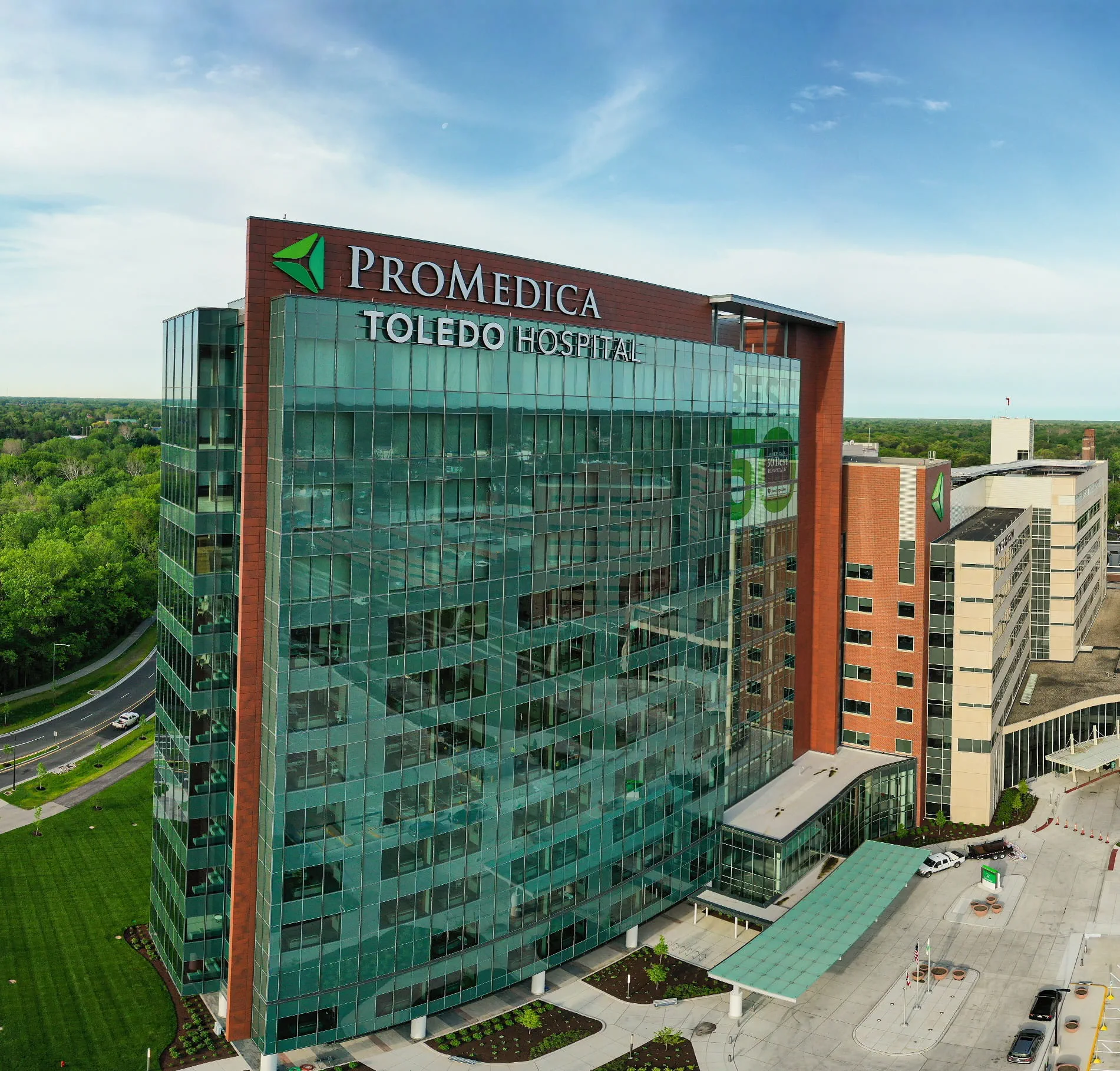

Adrian
Chemotherapy and Infusion Services
Discover what ProMedica Hickman Infusion Center has to offer.

Oregon
ProMedica Bay Park Hospital Cancer Care
Discover what ProMedica Bay Park Hospital Cancer Center has to offer.
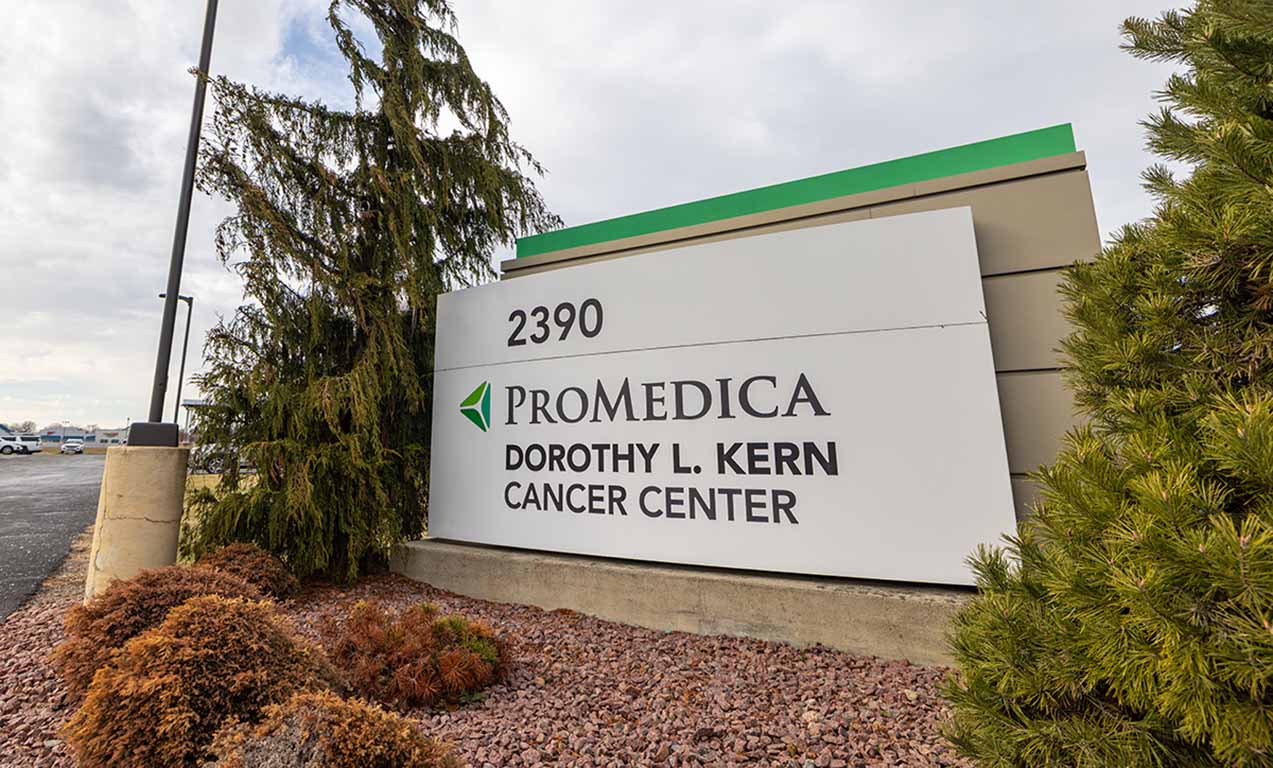
Fremont
Cancer Care
Welcome to ProMedica Dorothy L. Kern Cancer Center Fremont, Ohio. Get driving directions, hours of operation, learn about treatment and therapies and more.

Sylvania
ProMedica Hickman Cancer Center
Discover what ProMedica Flower Hospital Hickman Cancer Center has to offer.

Fostoria
Cancer Care
Discover what ProMedica Fostoria Community Hospital Canter Care has to offer.

Toledo
Alan W. and Deborah J. Brass Children's Cancer Center
Discover what ProMedica Alan W. and Deborah J. Brass Children's Cancer Center has to offer.

Defiance
ProMedica Defiance Regional Hospital Cancer Center
Discover what ProMedica Defiance Regional Hospital Cancer Center has to offer.
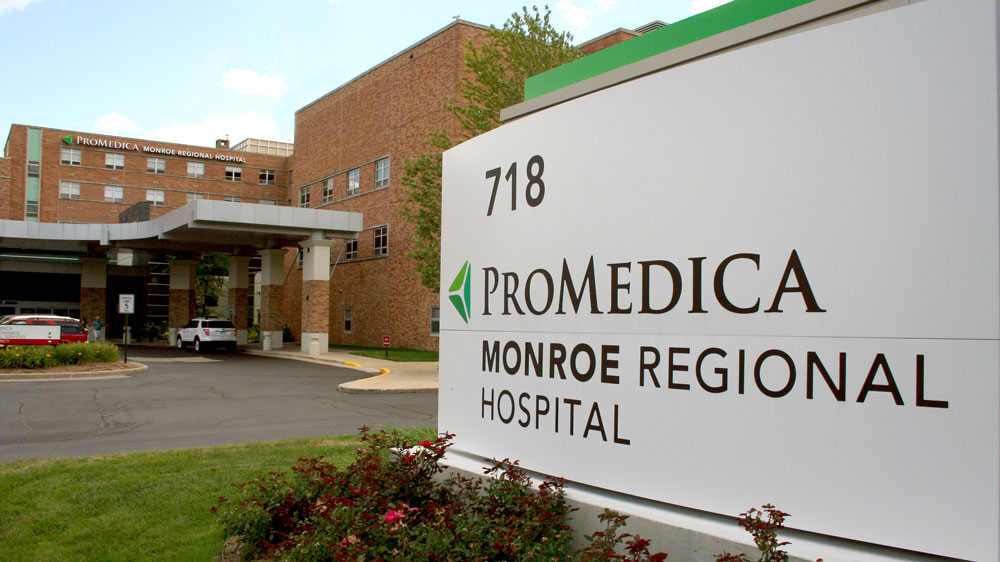
Monroe
Cancer and Infusion Services
Discover what ProMedica Monroe Regional Hospital Cancer and Infusion Services has to offer.

ProMedica Monroe Cancer Center
Welcome to ProMedica Monroe Cancer Center Monroe, Michigan. Get driving directions, hours of operation, learn about treatment and therapies and more.
Sylvania
ProMedica Cancer Institute High Risk Clinic
ProMedica Cancer Institute’s High Risk Clinic is dedicated to supporting people with a higher-than-average risk of developing certain cancers.
Related News & Stories
Health Conditions
Reducing Rates of Prostate Cancer Among African American Men
Prostate cancer has a 76% higher incidence rate among African American men than white men.

Care & Treatments
Overcoming Aggressive Cancer with Prostate Surgery
New surgical technology offers more options for those facing prostate cancer.
Related Services & Conditions
Cancer
As part of the largest cancer program in the region, we'll support your cancer journey with unmatched expertise, treatment options and support services.
Radiation Therapy
Radiation therapy is high-energy, therapeutic X-rays that can help prevent cancer cells from growing and multiplying.
Chemotherapy
Chemotherapy uses medications to treat cancer, keep it from spreading, slow growth or relieve symptoms. We're ready to help with a variety of chemotherapy options, including HIPEC, to treat your cancer.