Prioritize Your Heart Health
Some risk factors for heart disease and heart attack, such as family history and genetics, are outside your control. But there are still many things that can be done to keep your heart healthy. Prioritize your heart health today for a better tomorrow.
Know Your Risk Factors
You can’t control your age, family history, gender or ethnicity; but you can control some factors to lower your risk of heart disease and heart attack. It’s important to understand that a single risk factor makes you more likely to develop heart-related problems. The more of these risk factors you have, the more concerned you need to be about seeking prevention and treatment.
High Blood Pressure
High blood pressure places extra stress on the walls of your arteries. It’s important to keep your blood pressure within a normal range.
High Cholesterol
High cholesterol raises your risk of heart disease. It’s important to check your cholesterol levels regularly to ensure that they’re within a healthy range.
Lack of Physical Activity
Exercising raises your heart rate and helps your heart do a better job of pumping blood, which helps build a healthier heart. Aim for 150 minutes of moderate physical activity each week.
Obesity
Excess weight makes your heart work harder and raises your risk for high blood pressure, high cholesterol and diabetes.
Smoking
Nicotine has been shown to narrow arteries and destroy the cells that line your arteries. If you smoke, look for tools that can help you quit.
Stress
High stress can lead to high blood pressure and then heart disease. Try activities such as yoga, breathing exercises and walking, which have all been shown to help lower stress levels.
Schedule Your Annual Exam
Your health care provider is your top ally in protecting your heart health. Take 10 minutes to schedule your yearly checkup. It's the first step toward learning about your health status and your risk for cardiovascular diseases. Here's how your doctor will assess your cardiac health during your appointment:
- Order or review blood work, so you know your total cholesterol and blood sugar numbers.
- Record your weight and height.
- Review your personal risk factors for heart disease.
- Take your blood pressure.
- Talk to you about your family health history.
- Track any changes in your health.
Act Fast During a Heart Attack
If you think you or someone you're with is having a heart attack, do not drive to a hospital. Call 911 right away.
Emergency medical personnel will arrive by ambulance and can provide on-the-scene, life-saving treatment.
At ProMedica Toledo Hospital, a cardiologist is available 24 hours a day, seven days a week to make sure we're ready when you need us most. All other ProMedica emergency departments are connected to a ProMedica Toledo Hospital 24/7 to give patients faster access to more advanced care. Because quick, expert diagnoses can lead to life-saving results.
Featured Locations
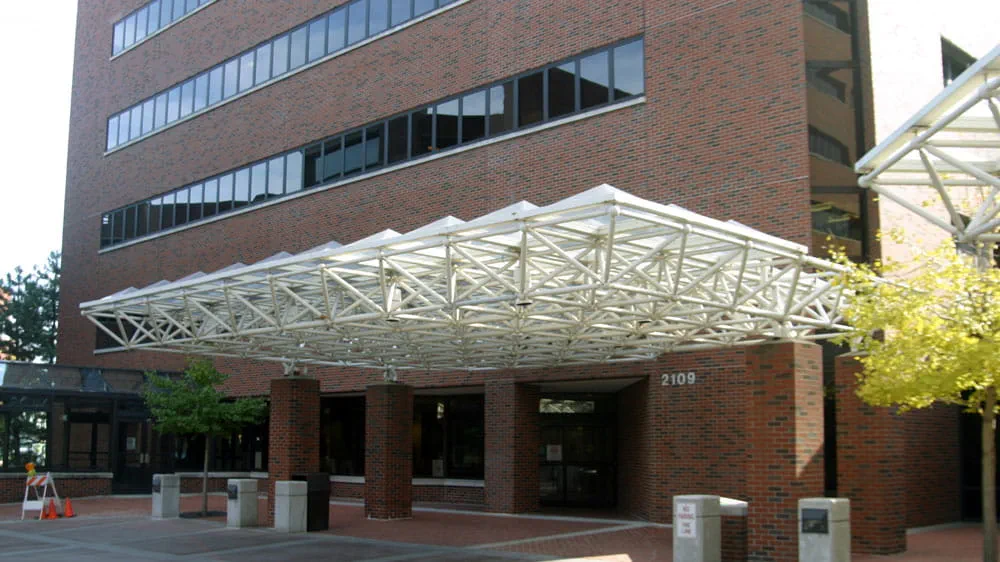
ProMedica Physicians Cardiothoracic Surgeons
Discover expert cardiothoracic care in northwest Ohio. Our board-certified surgeons offer advanced heart and lung treatments, from open-heart to minimally invasive procedures.
ProMedica Physicians Cardiology - Adrian
Experience top-tier cardiology services at ProMedica Physicians Cardiology Adrian, part of a leading network of specialists dedicated to your heart health.
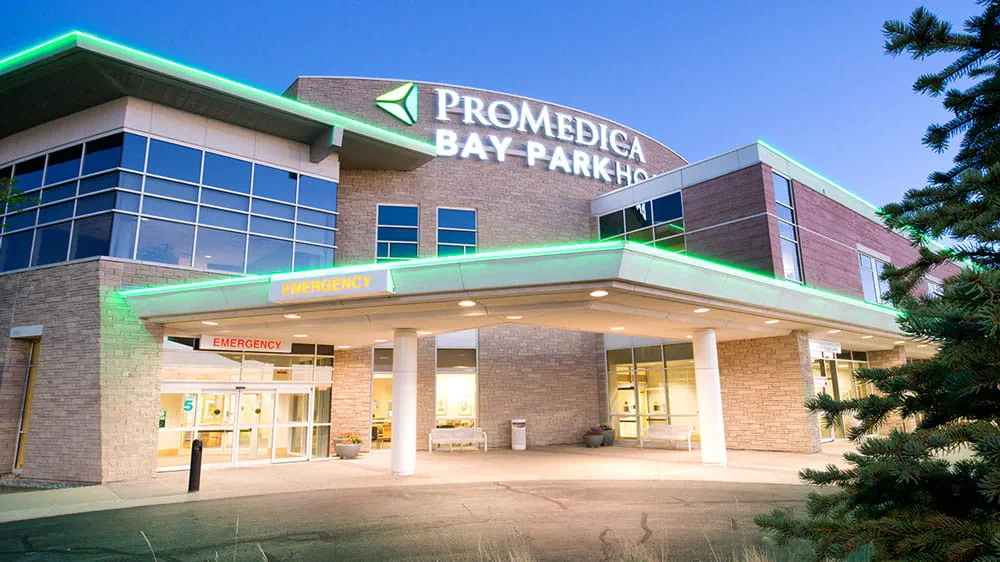
ProMedica Physicians Cardiology - Bay Park
At ProMedica Physicians Cardiology Bay Park, our board-certified experts provide advanced, collaborative heart care, ensuring you receive the best treatment available.
ProMedica Physicians Cardiology - Bowling Green
Experience top-tier heart care at ProMedica Physicians Cardiology. Our expert team in Bowling Green offers comprehensive services and innovative treatments. Schedule your appointment today.

ProMedica Physicians Cardiology - Fostoria
ProMedica Physicians Cardiology Fostoria provides exceptional heart care with a collaborative team of specialists. Trust us for the latest treatments.
ProMedica Physicians Cardiology - Fremont
At ProMedica Physicians Cardiology Fremont, our board-certified experts deliver comprehensive heart care. Schedule with us for innovative treatments and personalized service.
ProMedica Physicians Cardiology - Monroe
Click here to learn about the services we offer. Get driving directions, contact information, operating hours and more.
ProMedica Physicians Cardiology - Napoleon
Click here to learn about the services we offer. Get driving directions, contact information, operating hours and more.
ProMedica Physicians Cardiology - Port Clinton
Click here to learn about the services we offer. Get driving directions, contact information, operating hours and more.
ProMedica Physicians Cardiology - Toledo
Click here to learn about the services we offer. Get driving directions, contact information, operating hours and more.
ProMedica Physicians Cardiology - Wauseon
Click here to learn about the services we offer. Get driving directions, contact information, operating hours and more.
Related Services & Conditions
Aortic Surgery
The aorta delivers oxygenated blood from the heart to the body. If it ruptures, a cardiothoracic team can help diagnose and treat aortic heart disease.
Angiography
An angiogram is an X-ray that evaluates blocked blood vessels and arteries. The procedure helps vascular experts determine your best treatment options.
Atrial Fibrillation (AFib)
AFib is the most common heart rhythm problem, and can be treated. Our AFib specialists are here to help with cutting-edge technology and cardiac expertise.
Cardiac Rehab
After a heart issue, you want to return to normal. Our cardiac rehabilitation program helps you get stronger and builds confidence so you can get back to your active life.
Cardio-oncology
Cancer treatment can be hard on your heart. ProMedica Cancer Institute's cardio-oncology program can help lessen the effects of radiation and chemotherapy on the heart.
Cardiothoracic Surgery
ProMedica's cardiothoracic surgeons are here to make sure you have access to the most advanced, state-of-the-art technology and surgical techniques to treat heart disease.
CT Scan (Computed Tomography)
Through computed tomography, or CAT scans, our radioligist can see the condition of your bones and body's soft tissues.
Heart Attack
A heart attack happens when heart muscles are damaged by a lack of blood. When the worst happens, you need leading-edge care for this life-threatening emergency.
Heart Surgery
From minimally invasive to traditional open procedures, we offer a full range of surgical services for your heart condition.
High Blood Pressure (Hypertension)
High blood pressure (hypertension) makes your heart work harder than it has to and leads to a number of related health issues. Take control of your condition with ongoing care.
Structural Heart Disease
Structural heart disease experts treat a variety of conditions inside your heart, including damage and flaws in your heart's valves, walls and chambers.
Valve Surgery
Our cardiothoracic surgeons repair and replace heart vales using minimally invasive techniques and open-heart surgery.