If you’ve been diagnosed with cancer of the liver, pancreas or biliary tract (gallbladder and bile ducts), you may feel overwhelmed. But you aren’t alone. At ProMedica, our team of experts is ready with exceptional treatment and compassionate care.
From leading-edge treatment technology to the very best support services, we’re here to guide you through every step of your cancer journey. We’ll connect you with the resources and information you need to make informed decisions about your care.
Our goal is to deliver the very best outcomes and help you face the challenges ahead with hope and optimism. ProMedica is here for you.
Our Approach
ProMedica offers complete cancer care at every stage of your treatment journey. From preventive screenings and diagnosis through recovery and survivorship, we’re your partner and advocate.
You Can Lean on Our Support Services
Cancer care isn’t just about delivering the right treatments to your body. It’s also about helping you face the challenges to your mind and emotions. It’s about making sure you have a community that supports you and resources that help you, including:
- Genetic counseling.
- Healing care.
- Medicine management counseling.
- Patient navigation.
- Rehabilitation services.
- Support groups.
- Survivorship program.
Care Coordination and Nurse Navigators
We know cancer treatment can feel overwhelming. We want you to focus on getting better, not trying to keep tests, treatment and doctors straight. A member of your care team or a personal nurse navigator will guide you through every step of treatment, including:
- Working side-by-side with you to ensure compassionate, supportive and individualized care.
- Scheduling/coordinating appointments, and helping to reduce the amount of time from diagnosis to treatment.
- Providing education and support to you and your family.
- Facilitating/coordinating care provided by an interdisciplinary team of physicians, including medical, surgical and radiation oncology consults.
- Working on behalf of you and your family to remove possible obstacles to care, including insurance issues, medication assistance or lack of transportation.
- Communicating with your physician and helping to communicate the physician’s plan of care.
You Can Count on Our Expertise
When you choose us for your cancer treatment, you’re choosing a team with a track record of success. ProMedica Cancer Institute’s accreditations and nationally recognized services help prove the quality of our care.
We’ve put together a highly experienced team of cancer specialists, including:
- Hepatologists.
- Hepatopancreaticobiliary (liver, pancreas, gallbladder and bile duct) surgeons.
- Medical oncologists.
- Radiation oncologists.
- Radiologists
Know Your Risk Factors
You can’t control some risk factors for cancer, such as age or gender. But you can lower your risk by making healthier choices, including:
- Being cautious around chemicals.
- Getting a liver cancer screening (if recommended by your doctor).
- Limiting the amount of alcohol you drink.
- Staying at a healthy weight.
- Protecting yourself from hepatitis C by practicing safe sex and not injecting drugs intravenously.
- Vaccinating yourself against hepatitis B.
Liver Cancer Risk Factors
Risk factors for liver cancer may include:
- Age (over 60).
- Gender (more prevalent in men).
- History of hepatitis B or C.
Biliary Cancer Risk Factors
Risk factors for gallbladder or bile duct cancer may include:
- Drinking too much alcohol.
- Exposure to Aflatoxin (food tainted with fungus).
- History of hepatitis B or C.
Pancreatic Cancer Risk Factors
Risk factors for pancreatic cancer may include:
- Diabetes.
- High-fat diet.
- History of pancreatitis.
- Obesity.
- Tobacco use.
Signs and Symptoms
Your liver, pancreas, gallbladder and bile ducts all play vital roles in the body. They work together to digest food, produce bile, filter out toxins and deliver essential vitamins and enzymes to our bodies.
Cancer can begin in any of these areas. However, it’s more common for cancer to start in other parts of the body and spread (metastasize) to the hepatopancreaticobiliary system.
Because the liver, pancreas, gallbladder and bile ducts work so closely together, the signs and symptoms of cancer can look a lot alike. If you have any of the following symptoms, see your doctor right away for tests:
Liver Cancer Symptoms
Early symptoms of liver cancer may include:
- Chills.
- Fatigue.
- Fever.
- Night sweats.
Late-stage symptoms may include:
- Decreased appetite.
- Weight loss.
- Nausea or vomiting.
- Jaundice.
- Dark urine.
- Upper abdominal pain and/or bloating.
- White stools.
Biliary Cancer Symptoms
Symptoms of gallbladder or bile duct cancer may include:
- Abdominal pain.
- Change in stool patterns.
- Decreased appetite.
- Fatigue.
- Jaundice.
- Nausea or vomiting.
- Weight loss.
Pancreatic Cancer Symptoms
Symptoms of pancreatic cancer may include:
- Abdominal pain.
- Change in stool patterns.
- Decreased appetite.
- Fatigue.
- Increased blood sugar levels.
- Jaundice.
- Nausea or vomiting.
- Weight loss.
Diagnosing and Treating Liver, Pancreatic and Biliary Cancers
Find an Accurate Diagnosis
Imaging scans and lab tests are the most common tools to diagnose liver, pancreatic and biliary cancers. And when you need answers, you can rely on ProMedica for fast and accurate results.
Your doctor may recommend any of the following:
- Computed tomography (CT) scan.
- Magnetic resonance imaging (MRI) scan.
- Positron emission tomography (PET) scan.
- Ultrasound.
- Biopsy
Understand Your Treatment Options
Treatment for cancer will depend on several factors, including the location of the cancer and how advanced it is. Your doctor may suggest combining treatments to achieve the best possible outcome.
Chemotherapy
Chemotherapy is a cancer treatment given intravenously (through a vein) to stop the growth of cancer cells. Chemotherapy drugs work by killing the cells or stopping cell division. It may be given before or after surgery.
Immunotherapy
Immunotherapy, also called biotherapy, uses substances made from living organisms to help the body fight cancer and other diseases. These substances may be synthetic or natural.
Radiation Therapy
Radiation therapy uses high-energy X-rays to shrink and kill cancer cells. It’s usually given after surgery or chemotherapy to lower the risk of the cancer coming back.
Surgery
Many types of cancer require surgery to remove the tumors and nearby tissue.
Your surgeon may recommend liver resection surgery for early-stage liver cancer. This involves taking out the cancerous part of the liver (partial hepatectomy). Because the liver renews itself, the healthy portion of the liver can grow back in a matter of weeks. For later-stage liver cancer, a liver transplant surgery may be needed.
Pancreatic cancer is often treated with a Whipple procedure. A surgeon removes the head of the pancreas, the first part of the small intestine, the gallbladder and the bile duct.
Biliary cancers may be treated by removing the gallbladder and bile duct.
Featured Locations

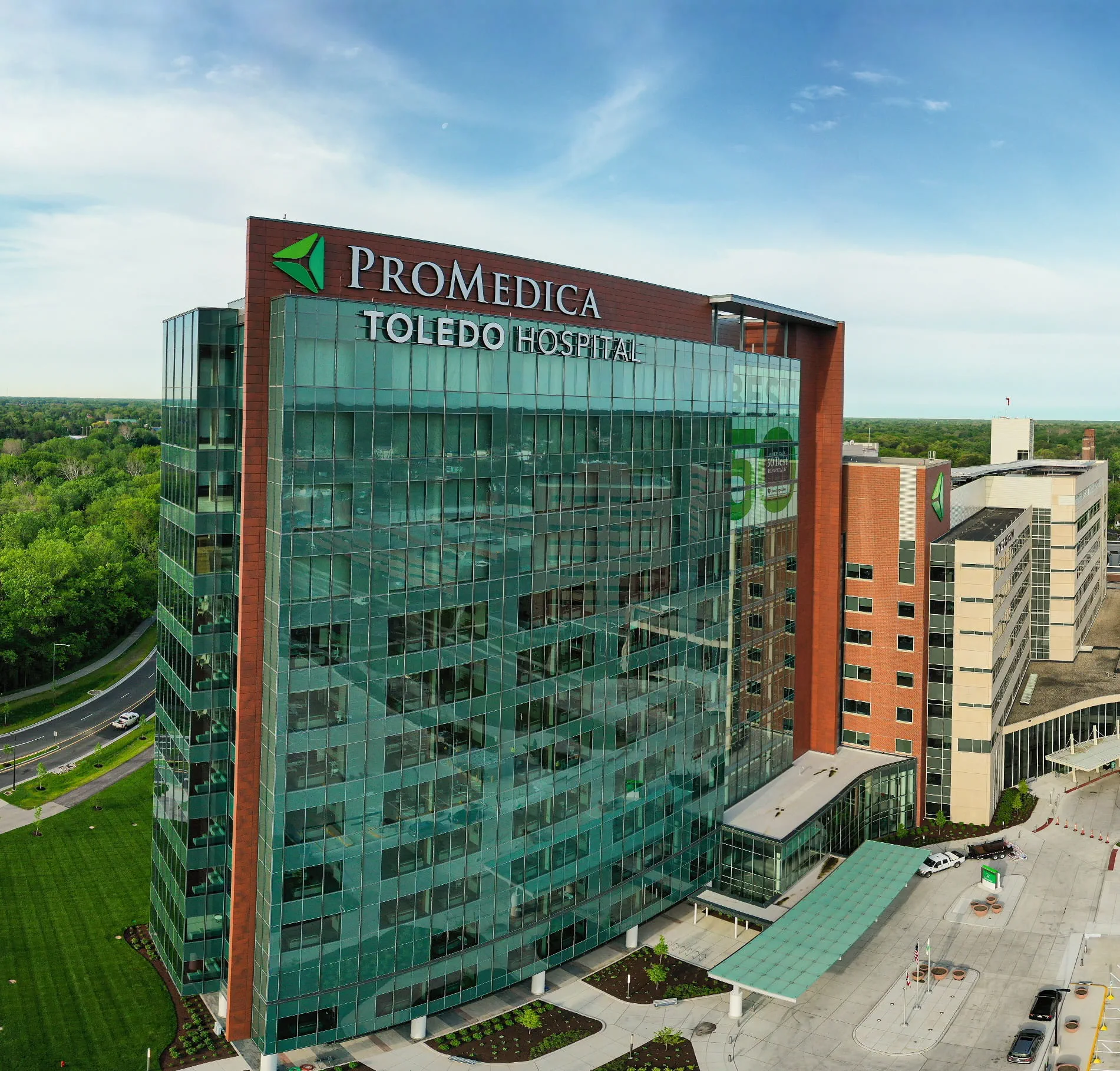
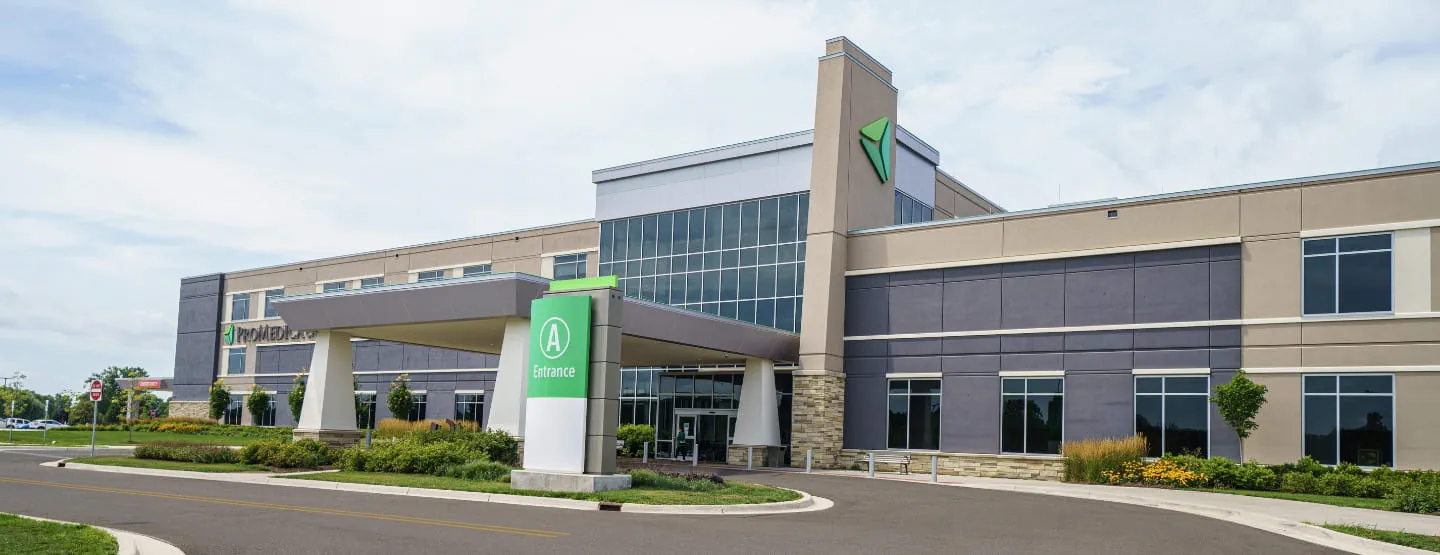
ProMedica Memorial Hospital Orthopaedics
Welcome to ProMedica Memorial Hospital Orthopaedics. Get driving directions, hours of operation, learn about treatment and therapies and more.
Adrian
Chemotherapy and Infusion Services
Discover what ProMedica Hickman Infusion Center has to offer.

Oregon
ProMedica Bay Park Hospital Cancer Care
Discover what ProMedica Bay Park Hospital Cancer Center has to offer.
Fremont
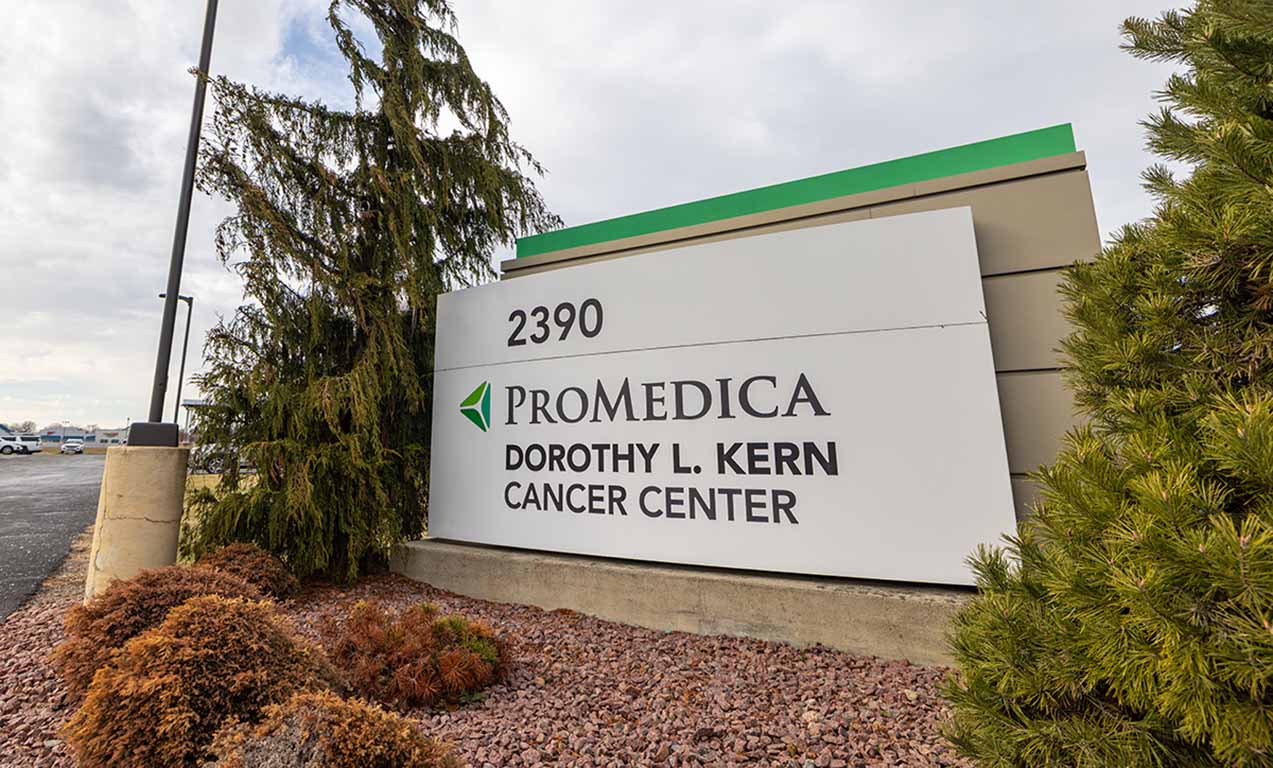
Cancer Care
Welcome to ProMedica Dorothy L. Kern Cancer Center Fremont, Ohio. Get driving directions, hours of operation, learn about treatment and therapies and more.
Sylvania
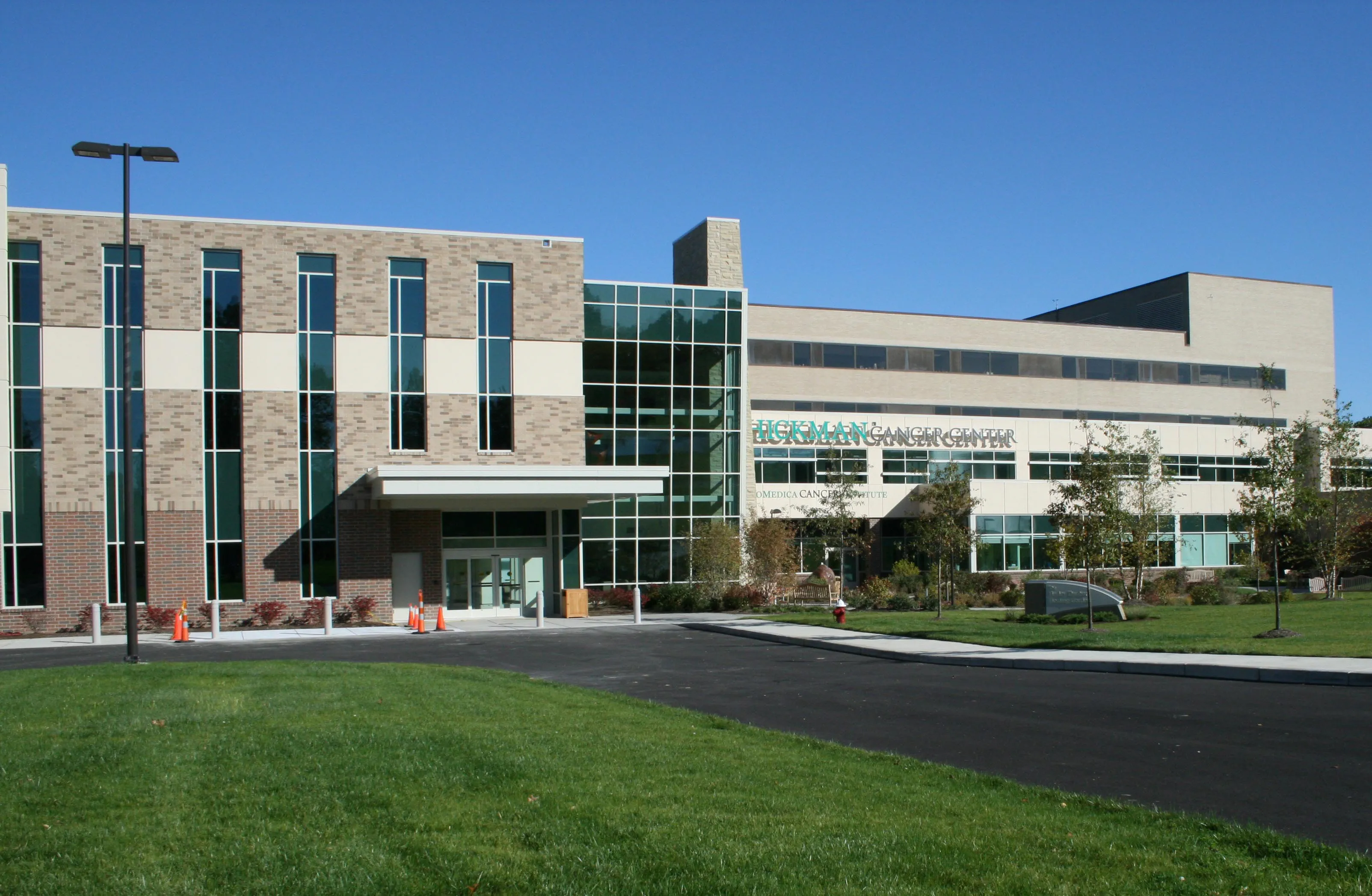
ProMedica Hickman Cancer Center
Discover what ProMedica Flower Hospital Hickman Cancer Center has to offer.

Fostoria
Cancer Care
Discover what ProMedica Fostoria Community Hospital Canter Care has to offer.
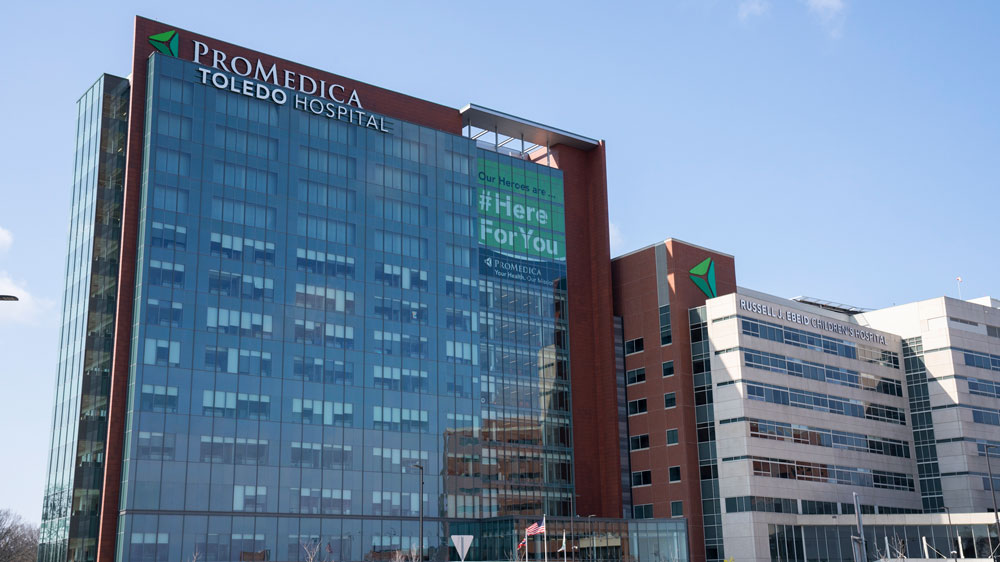
Toledo
Alan W. and Deborah J. Brass Children's Cancer Center
Discover what ProMedica Alan W. and Deborah J. Brass Children's Cancer Center has to offer.

Defiance
ProMedica Defiance Regional Hospital Cancer Center
Discover what ProMedica Defiance Regional Hospital Cancer Center has to offer.
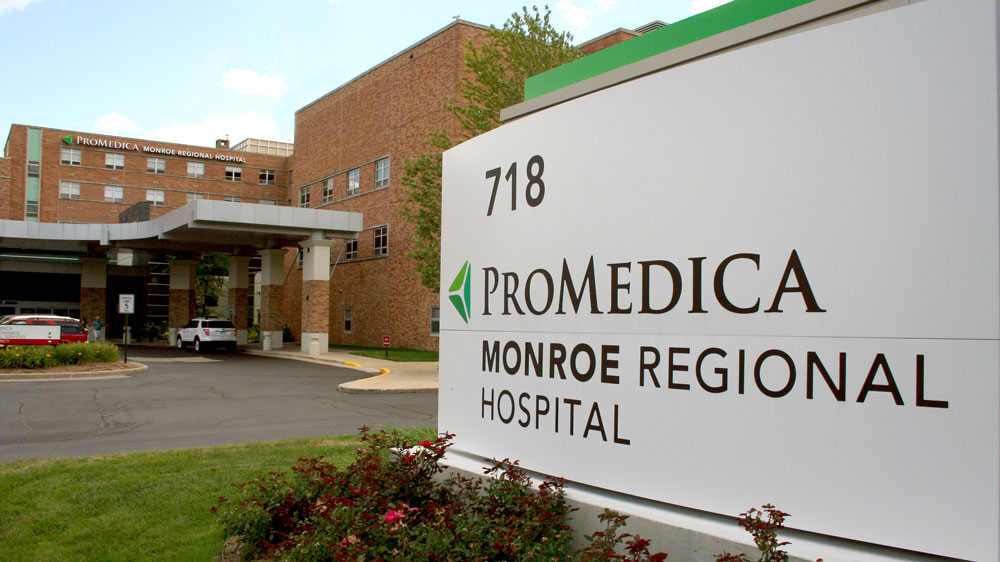
Monroe
Cancer and Infusion Services
Discover what ProMedica Monroe Regional Hospital Cancer and Infusion Services has to offer.
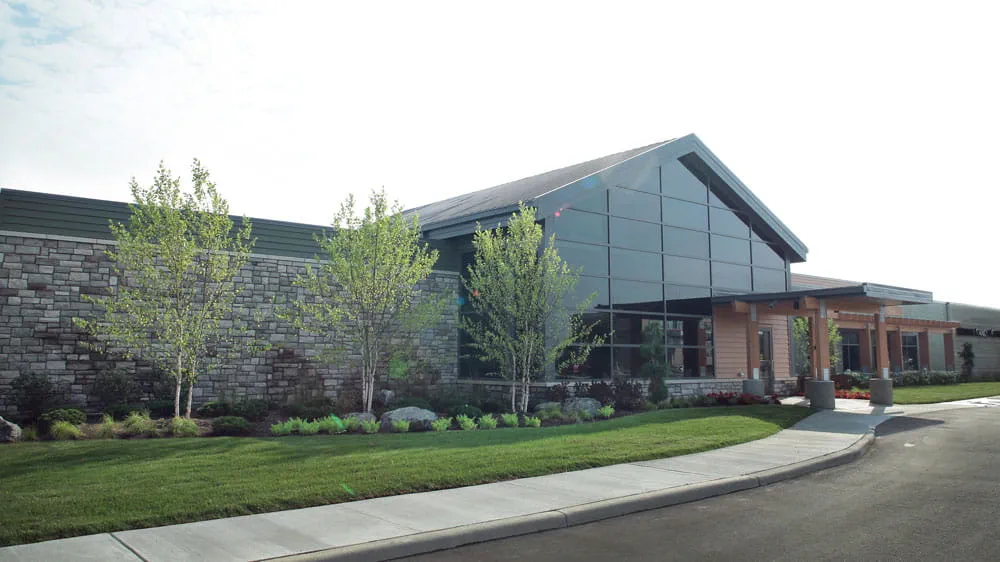
ProMedica Monroe Cancer Center
Welcome to ProMedica Monroe Cancer Center Monroe, Michigan. Get driving directions, hours of operation, learn about treatment and therapies and more.
Sylvania
ProMedica Cancer Institute High Risk Clinic
ProMedica Cancer Institute’s High Risk Clinic is dedicated to supporting people with a higher-than-average risk of developing certain cancers.
Related Services & Conditions
Radiation Therapy
Radiation therapy is high-energy, therapeutic X-rays that can help prevent cancer cells from growing and multiplying.
Chemotherapy
Chemotherapy uses medications to treat cancer, keep it from spreading, slow growth or relieve symptoms. We're ready to help with a variety of chemotherapy options, including HIPEC, to treat your cancer.